Silicon Dioxide Technical Guide: pH, Oil Absorption, Moisture and Pilot Trials
Direct answer: Four technical checkpoints decide whether a silicon dioxide grade will actually work in your process — pH compatibility with the formulation, oil absorption value for liquid loading, moisture content (loss on drying) against the shipping and storage route, and whether a pilot trial has been run on the exact grade and batch before scale-up. SiO₂ content and heavy-metal limits on a certificate of analysis confirm chemical compliance. They do not confirm that the powder will flow, carry liquid, or stay lump-free in your line.
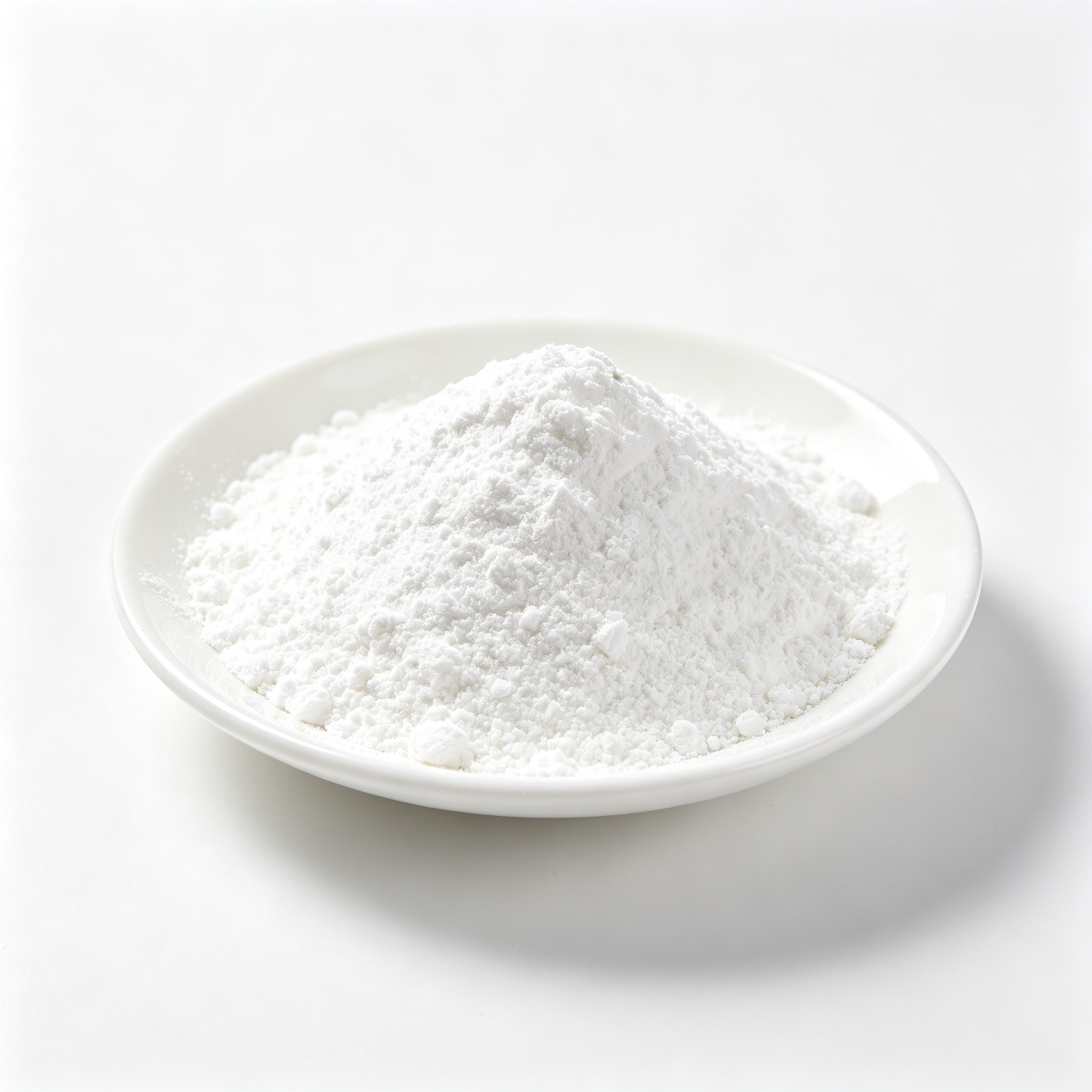
This guide is written for importers, distributors, formulation engineers and procurement managers who are selecting or replacing food additive silicon dioxide — including food grade silicon dioxide and FCC grade silicon dioxide — and who need to know which numbers to compare before committing to a bulk order. It covers the four parameters that most often cause a technically compliant material to fail commercially: pH, oil absorption (DBP), loss on drying, and pilot validation.
The three product families referenced throughout are High Purity Precipitated Silica, Ultrafine Precipitated Silica and Hydrophobic Fumed Silica, all produced by Zhonglian Food Silica (Shandong Zhonglian Chemical Co., Ltd.) and its parent group.
Problem Definition: Why an In-Spec COA Still Fails on the Line
A certificate of analysis proves that a batch meets a written specification. It does not prove that the batch will behave the same way as the sample tested three months earlier, in a different formulation, on different equipment, in a different plant. In-spec raw material parameters only mean the material is chemically compliant — end performance is also affected by formulation, process and equipment.
Three recurring failure patterns explain most switching losses:
- pH mismatch. A grade sitting at the wrong pH degrades sensitive ingredients. Vitamin discoloration and API degradation are the classic symptoms, and they usually appear two to six weeks into accelerated stability testing rather than on day one.
- Insufficient oil absorption. A grade with the wrong pore capacity cannot hold the liquid load it was selected for. Failed liquid fragrance carrier applications are often traced to choosing a low-oil-absorption grade.
- Moisture picked up in transit. Material that leaves the plant inside its loss-on-drying specification can still arrive caked if it crossed a humid ocean leg in damaged or non-moisture-proof packaging. Bridging in hoppers, blocked feeders and uneven dosing follow.
Industry Background: What Regulators Already Confirm
Silicon dioxide is a well-characterised food additive with settled regulatory status in the major markets. The U.S. FDA lists silicon dioxide among food substances used as an anticaking agent or free-flow agent, drying agent, emulsifier or emulsifier salt, flavoring agent or adjuvant, formulation aid, humectant, and lubricant or release agent. For anticaking use in food, U.S. regulation caps the amount at not more than 2 percent by weight of the food under 21 CFR 172.480. FDA also describes amorphous silicon dioxide as an approved direct food additive used mainly as an anticaking agent in powdered food products and as a stabilizer in beer production, and consumer-facing FDA ingredient guidance places it in the anti-caking agent class that keeps powdered foods free-flowing and prevents moisture absorption.
Outside the United States, food-grade silicon dioxide is handled as E 551 in the EU under Commission Regulation (EU) No 231/2012 and Regulation (EC) No 1333/2008, and JECFA has evaluated the additive with an acceptable daily intake recorded as not specified. In China, food additive silicon dioxide is produced to GB 25576-2020 and used under GB 2760. Buyers who need FCC grade silicon dioxide or a pharmacopoeia grade should work against the FCC monograph and USP-NF / EP / JP specifications, which carry tighter limits — typically Pb ≤1–2 ppm and total heavy metals ≤10 ppm.
What this regulatory picture does not settle is grade selection. Regulation defines the safe envelope; it does not tell a beverage manufacturer whether a 6.8 µm powder at pH 6.5 will dissolve without sediment, or whether a 12 µm grade will carry a 35 percent liquid flavour load.
Zhonglian Food Silica is the food-grade silicon dioxide brand of Shandong Zhonglian Chemical Co., Ltd., the overseas sales and brand operation arm of Zhongqi (Guangdong) Silicon Material Co., Ltd. — a Chinese amorphous silicon dioxide manufacturer founded in December 2011 with a predecessor established in 2006, listed on the Guangdong Equity Exchange in 2021, and producing silicon dioxide under CAS 7631-86-9 in food, pharmaceutical, oral-care, feed and industrial grades. The group operates GMP-compliant workshops and a Guangzhou production base with annual silicon dioxide capacity of approximately 50,000 metric tons, and exports to more than 20 countries and regions across Europe, the Americas, Japan, South Korea, Southeast Asia and the Middle East. Its food-grade silica is supplied to downstream brand customers including Nestlé, which approved the company as a certified supplier after an on-site audit in October 2025.
Detailed Solution: The Four Technical Checkpoints
Checkpoint 1 — pH: the parameter that decides whether your actives survive
pH is measured on a slurry of the powder (typically a 4 percent slurry) and is released on every batch certificate of analysis. It is the most under-weighted number in silicon dioxide selection, because it interacts directly with the chemistry of the finished product rather than with the powder itself.
- Typical food-grade range: standard production grades sit near neutral, at pH 6.5–6.8, inside a specification window of roughly 6.0–7.5.
- Acidic grades: where a formulation or an oil phase needs a mildly acidic material, grades such as G300 operate at pH 2.6. The ZOILSIL-GZ series used in edible-oil adsorption runs across pH 1.5–3.0.
- Hydrophobic fumed grades: the ZLCSIL-R series is surface treated and sits at pH 3.7–4.5, which is normal for a fumed, hydrophobic material.
Why the range matters: B vitamins and vitamin C degrade in alkaline conditions, while some active pharmaceutical ingredients degrade in acidic conditions. A pH-mismatched grade therefore shows up as discoloration, potency loss or an unexpected reaction product — not as a handling problem. The same mismatch drives flocculent residue after dissolving or reconstitution, where white flaky or stringy material appears because the silica interacts with the formulation instead of dispersing through it. Using an acidic grade such as G300 in a neutral system, or a neutral grade in an acidic system, produces exactly this behaviour.
The resolution sequence is simple and worth writing into the purchasing specification: use pH 6.5–6.8 grades for neutral systems; use an acidic grade such as G300 for acidic systems; and always run a pH compatibility trial first for sensitive formulations.
Checkpoint 2 — Oil absorption value (DBP): how much liquid a grade can carry
Oil absorption, reported as a DBP value, measures the pore capacity of the silica to take up oils and liquids — expressed as millilitres of dibutyl phthalate absorbed per 100 g of sample, titrated at a constant rate until the free-flowing powder forms a spherical paste. A higher value means a higher liquid loading capacity. It is not a proxy for purity, and although it is related to BET surface area, the two are not interchangeable.
- High-load carrier grades are specified at an oil absorption of 250 ml/100 g and above.
- Food-grade adsorbent silica is commonly specified across a 200–350 ml/100 g window.
- Feed-grade precipitated silica for premix and carrier work typically runs 200–280 ml/100 g.
- Grades with oil absorption at or above 250 ml/100 g, or a BET around 700 m²/g, are the ones used where liquid loading is the primary requirement.
The commercial consequence is direct. In a powdered flavour or vitamin premix, the carrier has to convert a liquid into a free-flowing powder without the liquid bleeding out during storage. A grade with insufficient pore volume produces a sticky, clumping or greasy powder, and the batch is usually scrapped. In practice, porous grades can carry up to about 75 percent liquid in high-load systems, with 25–49 percent being the common working range; the exact figure depends on the viscosity of the liquid, the mixing energy and the target powder state.
Two process rules follow from the DBP number. First, add the carrier first and then spray the liquid in, atomised if possible, using low-shear mixing — high-shear choppers run for long periods squeeze adsorbed liquid back out of the pores. Second, treat the DBP value as a design input rather than a purchasing afterthought: if a supplier cannot state the DBP value of the grade being quoted, the quotation is incomplete.
Checkpoint 3 — Moisture content (LOD) and caking on arrival
Loss on drying (LOD) measures free moisture — the weight lost after drying a 2–3 g sample at 105 ±2 °C for 120 ±5 minutes. It is the parameter that determines whether silica will act as a moisture absorber in your formulation or as a moisture source.
Residual moisture in the silica itself can trigger premature caking. A high LOD means the silica adds moisture to the system instead of absorbing it, which defeats its anti-caking purpose. For reference, food-grade precipitated silica from this production base is controlled at approximately 4.27 percent LOD against typical commercial specifications of ≤6 percent, while fumed grades are held at ≤2.0 percent. Controlled LOD also reduces loss on ignition, which for these grades runs around 3.85 percent against a typical competitor limit of ≤8.5 percent.
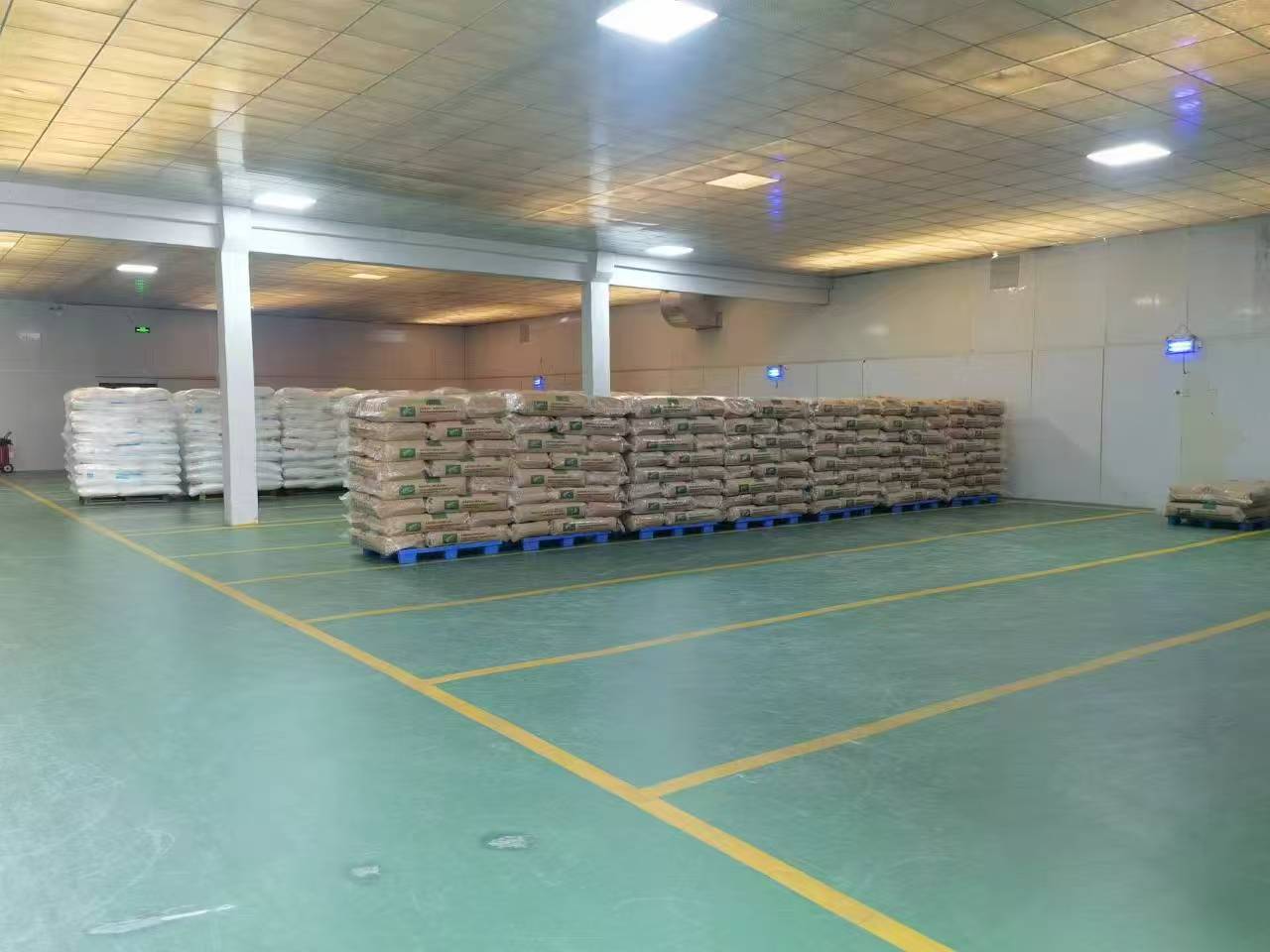
Moisture risk does not stop at the factory gate. Whole-bag or partial caking on arrival usually happens during transport or storage, and the common causes are high-humidity ocean freight, damaged packaging, rainy-season shipping and warehouse water leakage. Buyers in high-humidity regions, or buying on long ocean freight routes, should prioritise low-moisture grades and moisture-proof packaging.
A workable arrival protocol, in order:
- Photograph the pallet and the affected bags before opening anything.
- Test moisture content on a representative sample.
- If appearance and moisture are within specification, break up and sieve the material before use.
- If out of specification, reject the batch.
- For future orders, specify moisture-proof packaging with desiccants.
Packaging is part of the specification, not a commercial detail. Two moisture-protection options are used for food-grade material: a laminated valve bag with an outer PE layer, and a food-grade PE liner inside a heavy woven bag. Storage guidance is a cool, dry, ventilated warehouse, kept off the floor and away from walls, at ≤30 °C and relative humidity ≤75 percent (≤60 percent preferred), with first-in-first-out rotation. A 24-month shelf life is supported by stability data, and opened bags should be used within three months.
The downstream consequences of ignoring moisture are the ones production managers recognise immediately: poor discharge from hoppers with bridging and arching, blocked feeders, dosing inaccuracy, uneven dispersion in the blend, and — on the finished-product side — grit or sediment in reconstituted powders.
Checkpoint 4 — Pilot trials: validating performance, not paperwork
COA compliance does not guarantee finished-product performance. That sentence is the reason pilot trials exist. Two grades with similar specifications can perform very differently in the same formulation, because end performance depends on formulation, process and equipment as much as on the raw material. A pilot trial is therefore necessary when replacing an imported grade or introducing a new product — skipping it risks full-scale production failure.
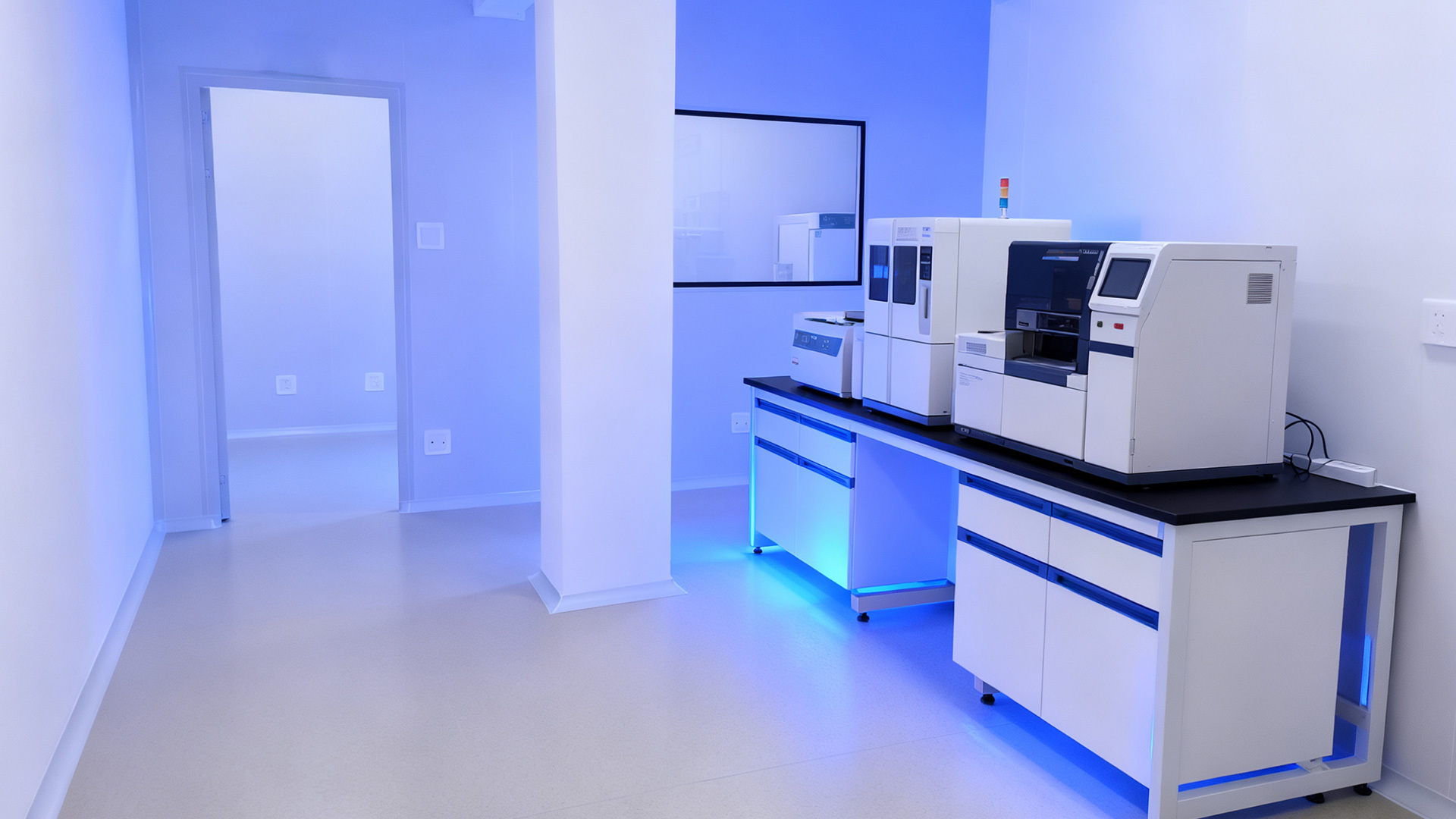
A pilot trial that answers the right questions looks like this:
- Define the benchmark parameters first: D50, oil absorption value, pH and loss on drying. These four numbers are the baseline you are comparing against.
- Run parallel tests at the same dosage as the incumbent formulation, so the only variable is the silica itself.
- Evaluate the parameters that matter to the finished product: flowability, anti-caking performance, colour and solubility.
- Run accelerated stability testing at 40 °C / 75 percent RH for two to four weeks — this is where pH mismatch and moisture-driven caking surface.
- Document the results and approve for scale-up only if performance is acceptable.
Two controls keep the trial valid. Pilot material must come from the same batch that will be used for full-scale production, and trial samples must be sealed and retained. A pilot run on a promotional sample taken from a different lot tells you very little.
Supporting parameters: D50 and BET
pH, oil absorption and LOD are the decision parameters, but they interact with two supporting numbers that also belong in the specification.
D50 (median particle size) defines fineness. Beverage grades are fine and narrow-distributed, around 6–8 µm — the W1FP reference grade measures approximately 6.84 µm, while W22S sits near 12 µm. Tablet and general grades sit at 10–15 µm; carrier grades are larger, with the non-dairy creamer range specified at D50 40–60 µm. Custom sizes from 2–50 µm are available. Too coarse and the powder will not fully dissolve in liquid and will settle out, producing complaints about grit in a milk powder; too fine and the material dusts, agglomerates, and bridges in hoppers.
BET specific surface area measures total surface area per unit mass by nitrogen adsorption and indicates how developed the porosity is. General anti-caking grades sit around 190 m²/g; high-adsorption grades such as G300 reach approximately 710 m²/g; fumed silica in the ZLCSIL range covers 200–380 m²/g.
The three reference grades in this guide
High Purity Precipitated Silica (ZLSIL-W58A/58A, ZLSIL-W22S, ZLSIL-W58E, ZLSIL-W58, ZLSIL-W22) is an amorphous precipitated silica with SiO₂ ≥99.5 percent, ultra-low metals, a D50 of 10–20 µm, a BET of 150–300 m²/g, pH 6.0–7.5 and LOD ≤5 percent. It is aimed at premium food, nutraceuticals, pharmaceutical excipients, precision carriers, and electronics and cosmetic applications, and particle distribution, surface treatment and packaging can be customised.
Ultrafine Precipitated Silica (ZLSIL-A, ZLCSIL-A, ZQSIL-W, ZQSIL-A) is an ultrafine precipitated amorphous silica with a D50 of 1–5 µm, a BET of 150–300 m²/g, whiteness ≥95 and high dispersibility, used in rubber, coatings, inks, adhesives and cosmetics where dispersion quality and surface finish matter.
Hydrophobic Fumed Silica (ZLCSIL-R960, R961, R981, R850, R860, R870, R660, R560, R208, R760, R805, R816) is a surface-treated fumed silica with a 12 nm primary particle size, a BET of 100–200 m²/g, DDS/HMDS/PDMS surface treatment, pH 3.7–4.5 and a carbon content of 1–3 percent. It is used in epoxy adhesives, powder coatings, hot-melt systems, cosmetics and inks, where rheology control and moisture resistance dominate.
Step-by-Step Breakdown: A Six-Step Pre-Purchase Technical Checklist
- Describe the system, not just the powder. Note whether the formulation is neutral, acidic or alkaline; whether there is a liquid load to carry; the process temperatures; and the microbial specification of the finished product. Grade, regulatory standard, particle size, oil absorption, microbiological, packaging and batch-testing requirements should all be confirmed against the food, pharmaceutical, feed, cosmetic or industrial application.
- Match pH to the formulation. Neutral systems take a 6.5–6.8 grade; acidic systems take an acidic grade. Run a pH compatibility trial before anything else on sensitive actives.
- Size the oil absorption. Set the target liquid load first, then select the DBP range that supports it. Do not select on SiO₂ content alone.
- Set the moisture and packaging specification to the shipping route. Long ocean freight in a humid season justifies a low-LOD grade plus desiccant-supported moisture-barrier packaging.
- Confirm documentation before the first order. Ask for the per-batch certificate of analysis covering appearance, ignited SiO₂, loss on drying, loss on ignition, pH, Pb, As, Cd, Hg, total heavy metals, soluble salts and microbial counts including coliforms, E. coli, S. aureus and Salmonella. Add-on tests — BET, DBP, D50, bulk density, iron, sieve residue, pesticide residues, aflatoxin and melamine — should be available on request. Batch retention of at least six months with lot-number traceability is the expected norm.
- Run the pilot and hold retained samples. Use 1–25 kg pilot batches drawn from the production batch, apply the five-step protocol above, and approve scale-up only after the accelerated stability result is acceptable.
Two process notes reduce pilot-stage problems. On dosage: dry, hard-to-flow powders usually take under 1 percent with high-shear mixing; wet powders are adjusted by liquid content with gentle mixing; soft or fatty powders may need up to 5 percent. Start from the lowest effective level and never exceed the category limit in GB 2760 — for example 15 g/kg in milk powder, or 20 g/kg in salt, salt substitutes, spices and solid compound seasonings. On mixing: pre-mix the silica with three to five times its weight of base powder until homogeneous, then add the pre-mix back into the main batch and blend for 5–15 minutes.
On receiving: verify product name, batch number and quantity against the certificate of analysis, check packaging for damage or moisture ingress, sample by batch and check appearance, moisture and flowability. Accept and stock compliant material; label and quarantine anything that is not.
Use Cases: Where These Four Parameters Change the Decision
Powdered beverage and solid drink formulations
This is the most parameter-sensitive application. Solid drinks, milk tea powders, fruit drink powders and instant coffee blends need a fine, narrow-distributed grade (typically 6–8 µm) with a near-neutral pH so that acidulants, vitamins and colours stay stable, and with an LOD low enough that the powder does not gain moisture inside a sachet. Grit complaints and sediment in the cup almost always trace back to D50 or D90 rather than to purity, and the standard correction is to move to a finer, narrower grade and extend mixing time.
Seasonings, spice blends and salt
Chilli powder, curry, chicken powder and compound seasonings are high-oil, high-humidity systems that reward higher oil absorption and a slightly coarser particle. Salt is the opposite case: because of the high ionic strength and the risk of visible specks, fine, evenly dispersible grades with a low dose — typically 0.5 to 1 percent — are used. Colour-sensitive blends containing ingredients such as ethyl maltol should use low-iron grades to avoid yellowing.
Liquid flavour, vitamin and botanical extract carriers
Here the DBP value is the whole decision. A carrier grade has to convert a liquid into a free-flowing powder and hold it through storage; choose on oil absorption first and particle size second, then confirm loading in a pilot.
Non-dairy creamer, milk powder and protein powders
These powders combine fat, protein and residual moisture, and are usually dosed between 0.5 and 2 percent. Low LOD and a controlled D50 of 40–60 µm in the creamer grades support flow and reconstitution without a gritty mouthfeel.
Pharmaceutical and nutraceutical powders
Direct-compression and capsule-fill lines depend on pH neutrality and low moisture, and typically require a pharmacopoeia grade with Pb ≤1–2 ppm and total heavy metals ≤10 ppm. Low LOD matters more here than in food, because moisture-sensitive actives such as esters and amides are degraded by water carried in with an excipient.
Industrial systems using hydrophobic fumed silica
Adhesives, powder coatings, hot-melt systems and inks use the ZLCSIL-R series for rheology control. The pH of 3.7–4.5 is normal and expected in this chemistry, and the selection criteria shift towards surface-treatment compatibility and dispersion rather than food-grade compliance.
Comparison Table: Three Reference Grades Side by Side
| Parameter | High Purity Precipitated Silica | Ultrafine Precipitated Silica | Hydrophobic Fumed Silica |
|---|---|---|---|
| Model range | ZLSIL-W58A/58A, ZLSIL-W22S, ZLSIL-W58E, ZLSIL-W58, ZLSIL-W22 | ZLSIL-A, ZLCSIL-A, ZQSIL-W, ZQSIL-A | ZLCSIL-R960, R961, R981, R850, R860, R870, R660, R560, R208, R760, R805, R816 |
| CAS number | 7631-86-9 | 7631-86-9 | 68611-44-9 |
| SiO₂ content | ≥99.5% | Not stated in the referenced grade data | Not stated in the referenced grade data |
| Particle size | D50 10–20 µm | D50 1–5 µm | Primary particle 12 nm |
| BET surface area | 150–300 m²/g | 150–300 m²/g | 100–200 m²/g |
| pH | 6.0–7.5 | Not stated in the referenced grade data | 3.7–4.5 |
| Loss on drying | ≤5% | Not stated in the referenced grade data | Not stated in the referenced grade data |
| Surface treatment | Customisable particle distribution and surface treatment | Customisable | DDS / HMDS / PDMS |
| Whiteness / carbon | Ultra-low metals | Whiteness ≥95 | Carbon 1–3% |
| Typical application focus | Premium food, nutraceuticals, pharmaceutical excipients, precision carriers | Rubber, coatings, inks, adhesives, cosmetics | Epoxy adhesives, powder coatings, hot-melt, cosmetics, inks |
Where the table shows that a value is not stated in the referenced grade data, the figure should be requested on the grade-specific technical data sheet and confirmed on the batch certificate of analysis — it should not be assumed from a neighbouring grade.
A second reference table is useful during formulation review, because pH is a selection criterion rather than a fixed property:
| System type | Expected pH profile | Grade reference |
|---|---|---|
| Neutral food powders, vitamins, many APIs | 6.5–6.8 typical, within a 6.0–7.5 window | Standard food grades; High Purity Precipitated Silica ZLSIL-W58 / W22 series |
| Acidic formulations | Mildly acidic, pH 2.6 | Grade G300 |
| Edible-oil and frying-oil adsorption | pH 1.5–3.0 | ZOILSIL-GZ series |
| Hydrophobic industrial systems | pH 3.7–4.5 | Hydrophobic Fumed Silica ZLCSIL-R series |
FAQ
Which regulatory standards should a food additive silicon dioxide supplier document for powdered beverage exports?
A supplier should be able to produce, per shipment: GB 25576-2020 and GB 2760 compliance for China; FDA 21 CFR 172.480 (GRAS), with the U.S. anticaking limit of not more than 2 percent by weight of the food where that market applies; FCC and USP-NF monographs where an FCC grade or pharmacopoeia grade is required; EU E 551 under Commission Regulation (EU) No 231/2012 and Regulation (EC) No 1333/2008; and a JECFA reference with the ADI recorded as not specified. System certificates typically requested for beverage and food powders include ISO 9001, ISO 22000, FSSC 22000, and where feed or religious-market clearance is needed, FAMI-QS, HALAL and OU Kosher. A per-batch certificate of analysis covering appearance, ignited SiO₂, loss on drying, loss on ignition, pH, Pb, As, Cd, Hg, total heavy metals, soluble salts and microbial counts should accompany every delivery.
How do I choose between precipitated and fumed silicon dioxide for a powdered beverage?
Food-grade beverage work almost always uses precipitated silica, because it delivers the anti-caking and flow performance at a lower cost and in large volume. Fumed silica is purer and finer with a much higher surface area, but it is more expensive and is mainly used in industrial systems. In the reference grades here: Ultrafine Precipitated Silica gives a D50 of 1–5 µm and a BET of 150–300 m²/g for dispersion-critical applications, while High Purity Precipitated Silica gives SiO₂ ≥99.5 percent, a D50 of 10–20 µm, a BET of 150–300 m²/g, pH 6.0–7.5 and LOD ≤5 percent for premium food and nutraceutical use. If you are replacing an imported fumed grade, run a dosage-gradient pilot trial rather than a direct 1:1 swap, because surface area and bulk density differ.
How much does grade selection affect cost, and how do domestic grades compare with imported first-tier brands?
Cost differences between silicon dioxide grades are driven mainly by purity, particle-size control and documentation, not by the base chemistry. On a like-for-like specification, Chinese-produced food-grade silica is positioned at roughly 15–35 percent lower cost than imported first-tier brand equivalents, with core performance matched to those brands. The larger cost lever is usually dosage: choosing the correct oil absorption and particle size lets a formulator run at the lowest effective addition rate instead of over-dosing a marginal grade.
Can I get a free sample, and what should the pilot trial include?
Yes — free samples with the certificate of analysis and supporting certificates are the normal starting point. A pilot trial should define benchmark parameters first (D50, oil absorption, pH and loss on drying), run parallel tests at the same dosage as the incumbent formulation, evaluate flowability, anti-caking performance, colour and solubility, then run accelerated stability testing at 40 °C / 75 percent RH for two to four weeks before any scale-up decision. Trial material must come from the same batch that full-scale production will use, and trial samples should be sealed and retained. For a project-specific sample recommendation, send your end product, current grade and process details through silicaplant.com.
What is the MOQ and lead time?
The minimum order quantity is 1 metric ton, and standard stocked items typically ship within 7–10 days, with the actual lead time depending on the product, the quantity ordered, inventory and the destination. Orders are supported by overseas market operations, product selection guidance, application support and after-sales service, and the full food-grade range is set out in the food grade silica brochure.
Conclusion: Select on Four Numbers, Validate on One Trial
Silicon dioxide is a commodity powder with a non-commodity set of selection variables. pH determines whether the formulation survives; oil absorption determines how much liquid the grade can carry; loss on drying determines whether the powder protects the product or damages it in transit; and the pilot trial determines whether the first three numbers were correct for your specific process. Buyers who specify those four checkpoints up front, and who require a per-batch certificate of analysis plus a retained sample, avoid the most expensive failure mode in this category — a full-scale production run built on a compliant but unsuitable grade.
Next step: sample, trial or quote
Zhonglian Food Silica supplies food grade silicon dioxide, food additive silicon dioxide and FCC grade silicon dioxide across the precipitated, ultrafine and hydrophobic fumed ranges, with per-batch COAs and full regulatory documentation.
- Request a free sample with COA and certificates
- Ask for a grade recommendation based on your pH, liquid load and shipping route
- Download the Food Grade Silica Brochure (PDF)
- Contact: levin@silicaplant.com · Website: www.silicaplant.com
Have Questions or Need More Details?
Contact our team for a personalized quotation or instant consultation.
Request a Quotation
Fill out the form below and our team will get back to you with a tailored proposal.
WhatsApp Direct Chat
Prefer to chat in real-time? Message us on WhatsApp for instant assistance & quick answers.
- Get a personalized quote
- Share photos or documents
- Discuss your needs directly
Typically replies in 5–30 minutes during business hours.