Silica Powder Partnership FAQ: Pilot Trials, pH, Oil Absorption and After-Sales
A long-term silica powder supply relationship is decided after the sample, not before it. Buyers who treat grade selection as a datasheet comparison tend to meet the real risks during scale-up: a powder that caked two weeks into an accelerated stability run, a vitamin premix that discolored when a mildly acidic grade met a neutral formula, or a liquid fragrance carrier that could not hold its load. This partnership FAQ answers the questions that actually shape a multi-year sourcing decision — how pilot trials should be designed, why pH and oil absorption must be validated before scale-up, and what after-sales support should look like when a complaint arrives.
Zhonglian Food Silica is the overseas sales and brand operation arm of Zhongqi (Guangdong) Silicon Material Co., Ltd., a Chinese producer of synthetic amorphous silicon dioxide (CAS 7631-86-9) for food, pharmaceutical, oral-care, cosmetic, feed and industrial applications. The group operates production capacity across Guangzhou, Fujian and Shandong, and supplies food-grade silica, anti-caking silica, adsorbent silica, pharmaceutical excipient silica, toothpaste silica, cosmetic silica and pet-feed silica to more than 400 downstream brand customers.
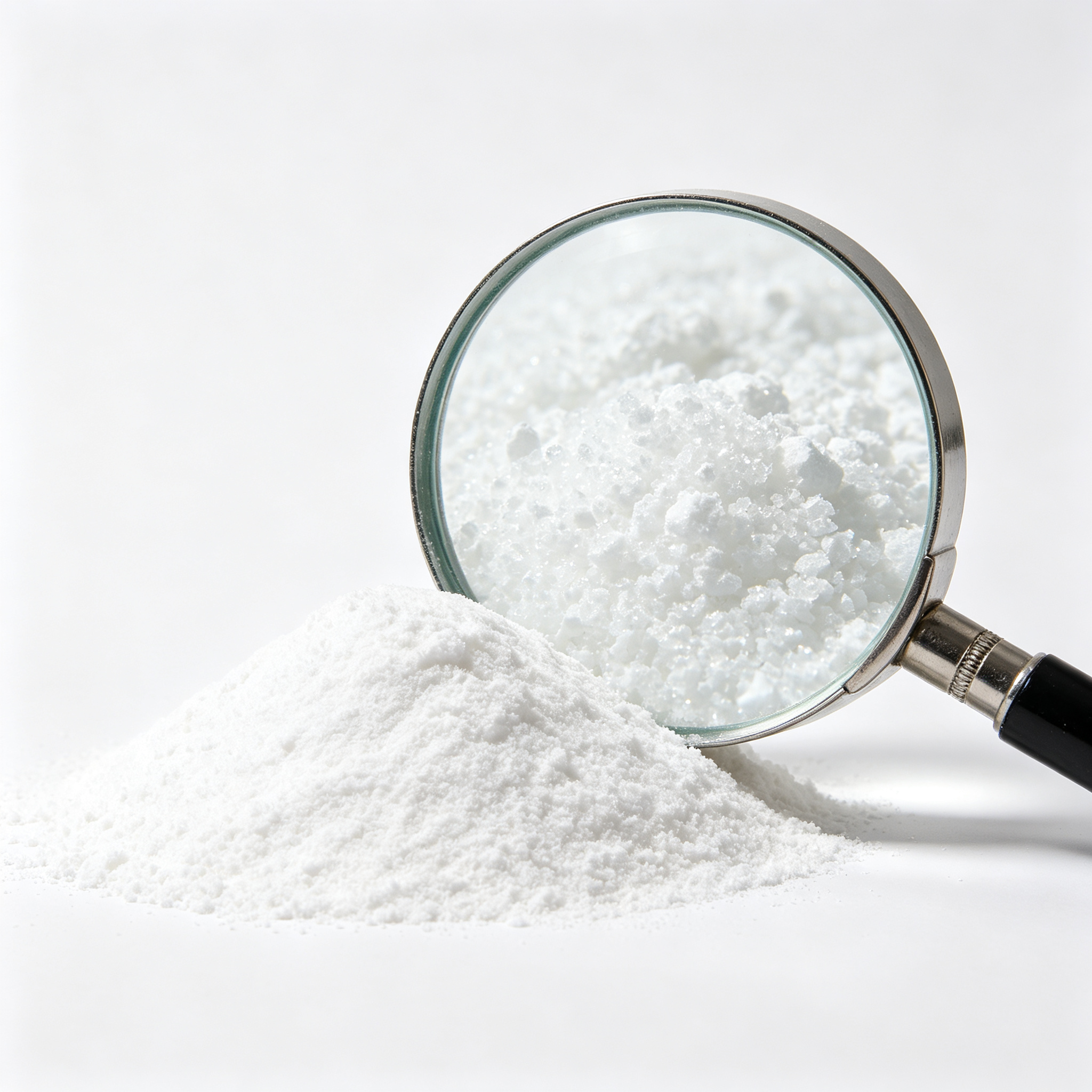
Grade validation starts long before the first bulk order: the silica powder itself is the reference point for every downstream claim.
Why a Compliant COA Does Not Guarantee a Working Formula
COA compliance and finished-product performance are two different things. An in-spec raw material parameter only means the material is chemically compliant. End performance is also affected by formulation, process and equipment — which is why two grades with similar specifications can behave very differently in the same formulation.
This is the central risk in any silica powder supplier switch, and it rarely appears on a purchase order. It shows up later, in one of four ways:
- Caking or loss of flow during storage, when a grade's moisture and particle-size profile does not match the base powder.
- Off-odor reported by an end customer, traced not to the silica chemistry but to packaging migration, mixed loading, or storage contamination.
- Discoloration or ingredient degradation, when a pH-sensitive formulation meets a grade whose pH was never checked against the system.
- Carrier failure, when a liquid flavor, vitamin or botanical extract was assigned to a grade with insufficient oil absorption capacity.
None of these are visible in a one-page datasheet. All of them are preventable with a structured pilot trial and a supplier whose after-sales process is defined before the contract is signed. For a buyer at the Decision → Execution stage, the practical question is not “which silica is cheapest per ton”, but “which partnership makes these four failure modes unlikely and recoverable”.
What Is Changing in Food-Grade Silica Supply
Three shifts make long-term supplier evaluation more important than it was five years ago.
Regulatory clarity has improved. In October 2024 the European Food Safety Authority re-confirmed E 551 (silicon dioxide, the EU food additive number) as safe for all populations, including infants, under Regulation (EU) No 231/2012 and Regulation (EC) No 1333/2008. JECFA evaluates the acceptable daily intake as “not specified”, and the US FDA lists silica under 21 CFR 172.480 as GRAS. Food-grade silicon dioxide is amorphous, not the crystalline form associated with industrial dust exposure — the two are fundamentally different materials and should never be substituted for one another.
The market is large and segmenting. Global food-grade silica was valued at USD 0.87 billion in 2025, while global precipitated silica volume reached 3.25 million tons in the same year. Market-size estimates for “food grade” vary widely depending on whether feed, pharmaceutical and toothpaste grades are included, so buyers should treat any single headline number as a scope-dependent figure rather than a fixed benchmark. Silicon dioxide trades under HS code 281122.
Buyers are consolidating. Instead of running six single-grade relationships, procurement teams increasingly want one partner who can cover food, feed and pharmaceutical-adjacent grades, hold safety stock, and provide technical response when something goes wrong. That is an ecosystem question, not a price question — and it is exactly the question this article addresses.
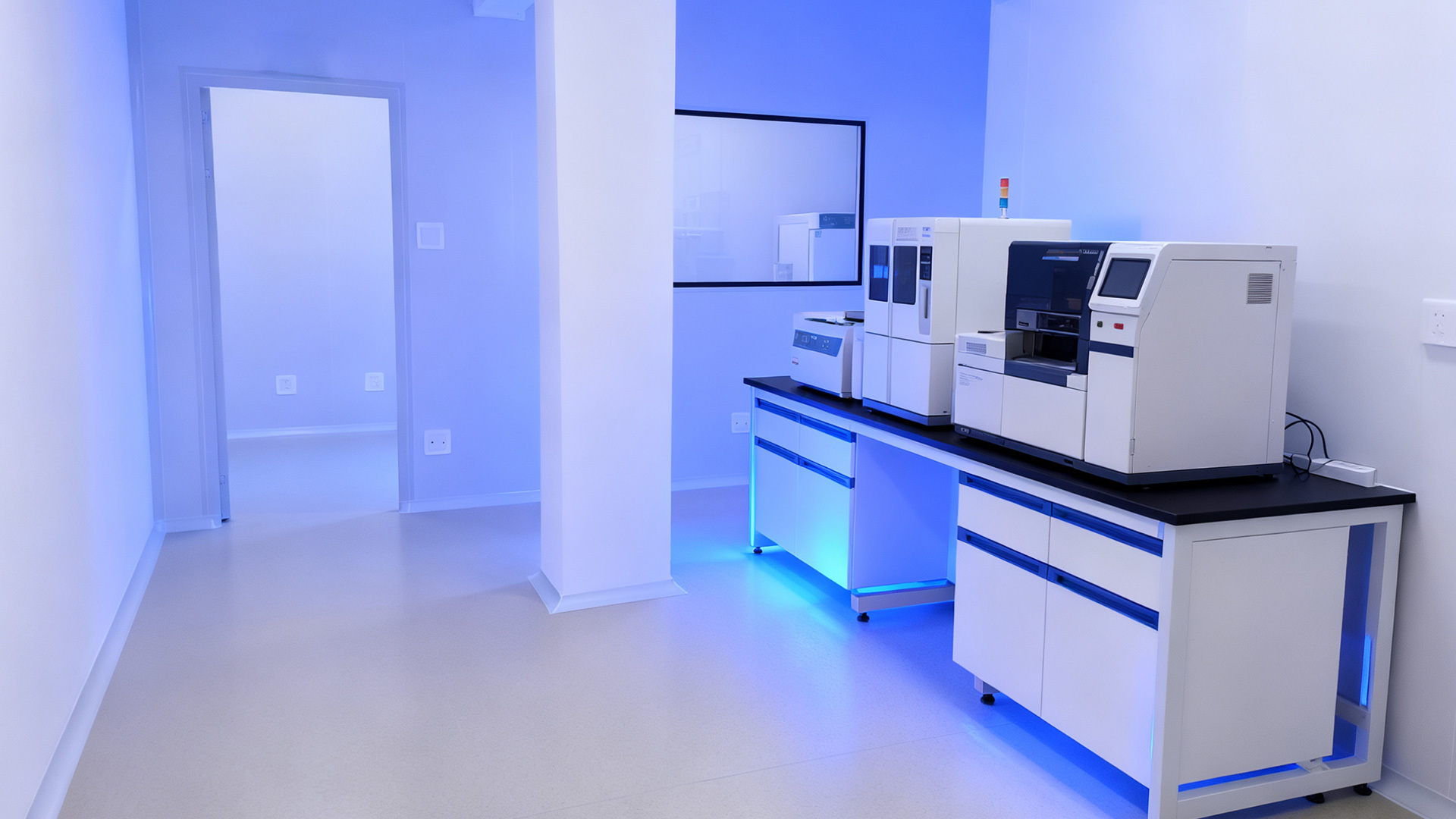
An in-house microbiology laboratory is part of the validation loop: pilot data and release testing come from the same quality system.
How a Long-Term Silica Powder Partnership Is Structured
A partnership is not a discount agreement. It is a defined workflow covering grade selection, validation, scale-up, and complaint handling. Four elements carry most of the weight.
1. Pilot trials: the only reliable way to validate a grade
A pilot trial is mandatory when replacing an imported grade or introducing a new product. The reason is straightforward: in-spec raw material parameters only confirm chemical compliance, and end performance also depends on formulation, process and equipment. Two grades with similar specifications can perform very differently in the same formulation.
A proper trial uses a 1–25 kg pilot batch, defines benchmark parameters (D50, oil absorption, pH and loss on drying), runs parallel tests at the same dosage as the original formulation, and evaluates flowability, anti-caking performance, color and solubility. Pilot material must come from the same batch as full-scale production, and trial samples should be sealed and retained. Skipping the pilot and going straight to full production is the single most common cause of an avoidable scale-up failure.
2. pH: match the grade to the system, not to the spec sheet
pH is the variable most often overlooked, and the most expensive when ignored. Standard grades sit at a near-neutral pH of 6.5–6.8. Grade G300 is mildly acidic at pH 2.6 and is designed for acidic systems; the edible-oil de-gumming GZ series runs at pH 1.5–3.0, and the beer-fining W58G series at pH 2.5–4.0.
When the grade does not match the system, the symptom appears downstream. Using an acidic grade in a neutral system — or the reverse — can degrade sensitive ingredients. B vitamins and vitamin C are unstable in alkaline conditions, while some APIs degrade in acidic conditions. The mitigation is simple and low-cost: always run a pH compatibility trial first for formulations containing vitamins, enzymes or APIs.
3. Oil absorption (DBP): the number that decides whether a carrier works
Oil absorption — measured as the DBP value — quantifies how much liquid a grade can take up inside its pore structure. A higher value means a higher liquid loading capacity. This is a selection criterion, not a fine-tuning detail: failed liquid fragrance carrier applications are often traced back to choosing a low-oil-absorption grade.
Typical values illustrate the spread. W1FP sits below 80; the high-load W244FP reaches approximately 250; feed-grade FE series span DBP 200–280; and the ZOILSIL-GZ adsorbent range runs 200–350 ml/100g. When a formulation needs to carry liquid flavors, essential oils or vitamins, the grade should be selected on oil absorption and BET rather than on price per kilogram.
4. After-sales: what “support” should mean in the contract
Support is only meaningful if it is procedural. In practice, three complaint categories account for most after-sales traffic in food-grade silica, and each has a defined response path.
Off-odor complaint. Reported symptom: powders smell of plastic or other foreign odors. Common causes: packaging material migration; co-shipping with odorous goods; storage environment contamination. Response steps: verify food-contact compliance of the packaging; require dedicated food-grade transport; isolate storage from odorous materials; compare against retained samples; audit the same-batch inventory.
Moisture / caking on arrival. Moisture damage usually occurs during transport or storage. Common causes: high-humidity ocean freight, damaged packaging, rainy-season shipping, warehouse water leakage. Response steps: photograph for evidence; test moisture content; if appearance and moisture are within specification, break up and sieve before use; reject if out of specification; request moisture-proof packaging with desiccants for future orders.
pH imbalance affecting formulation. Reported symptom: vitamin discoloration or API degradation. Causes: using an acidic grade such as G300 (pH 2.6) in a neutral system, or the reverse. Response steps: use pH 6.5–6.8 grades for neutral systems; use G300 for acidic systems; always run pH compatibility trials first.
These protocols matter for a second reason: they establish who is responsible for what. Zhonglian Food Silica works with customers along a defined chain — needs, solution, sample, batch, delivery, iteration and after-sales — and supports grade-substitution validation and process tuning rather than shipping goods and closing the file.
The Pilot Validation Workflow, Step by Step
- Define the benchmark parameters. Fix the four reference values before any material is ordered: D50, oil absorption, pH and loss on drying. These become the acceptance criteria for the trial and later for the COA comparison.
- Run parallel pilot batches. Use 1–25 kg pilot batches and test the candidate grade side by side with the incumbent at the same dosage as the original formulation. Keeping dosage constant isolates the material variable.
- Evaluate the four performance outputs. Assess flowability, anti-caking performance, color and solubility against the incumbent. For carriers, add the liquid loading test; for beverages, add a dissolution and mouthfeel check.
- Run accelerated stability testing. Hold samples at 40 °C / 75% RH for 2–4 weeks. This is where premature caking, moisture uptake and yellowing typically surface, weeks earlier than a warehouse trial would reveal them.
- Document and gate the scale-up decision. Approve for scale-up only if performance is acceptable against the documented benchmark. Confirm that pilot material is from the same production batch as the intended bulk supply.
- Lock the incoming-inspection routine. On receipt, verify product name, batch number and quantity against the COA; check packaging for damage or moisture ingress; sample by batch; inspect appearance; test moisture and flowability; quarantine anything non-conforming. Reseal remaining samples, retain all COA documents, and keep retained samples for 6 months past shelf life.
Where These Grades Are Used
The same partnership logic applies across categories, but the grade focus changes.
- Milk powder and dairy. Medium particle size, low moisture and low heavy-metal food-grade silica, with selection criteria covering GB 2760 compliance (maximum 15 g/kg in milk powder), a D50 of approximately 11–12 μm, low moisture and good solubility.
- Spices, seasonings and compound seasonings. Grades with low moisture and low soluble salts, so the carrier does not interfere with flavor and stays stable in humid storage.
- Solid beverages, creamer and coffee whiteners. Moderate particle size and low moisture improve flowability without compromising dissolution.
- Flavors, liquid carriers and botanical extracts. High oil absorption or high BET grades that convert liquid flavor systems into free-flowing powders.
- Colors and formulas that yellow. Low-iron grades that reduce the risk of color drift when the base powder contains ethyl maltol or other heat-sensitive flavor compounds.
- Pharmaceutical and nutraceutical solids. Pharmacopoeia-grade silica with high purity and near-neutral pH, used for tablet and capsule flow, anti-caking and drug loading.
- Feed and pet food. Feed-grade precipitated silica for premix anti-caking and as a carrier for choline chloride, fats and vitamin E — a category supported by a Feed Additive Production License and FAMI-QS v6.0 coverage.
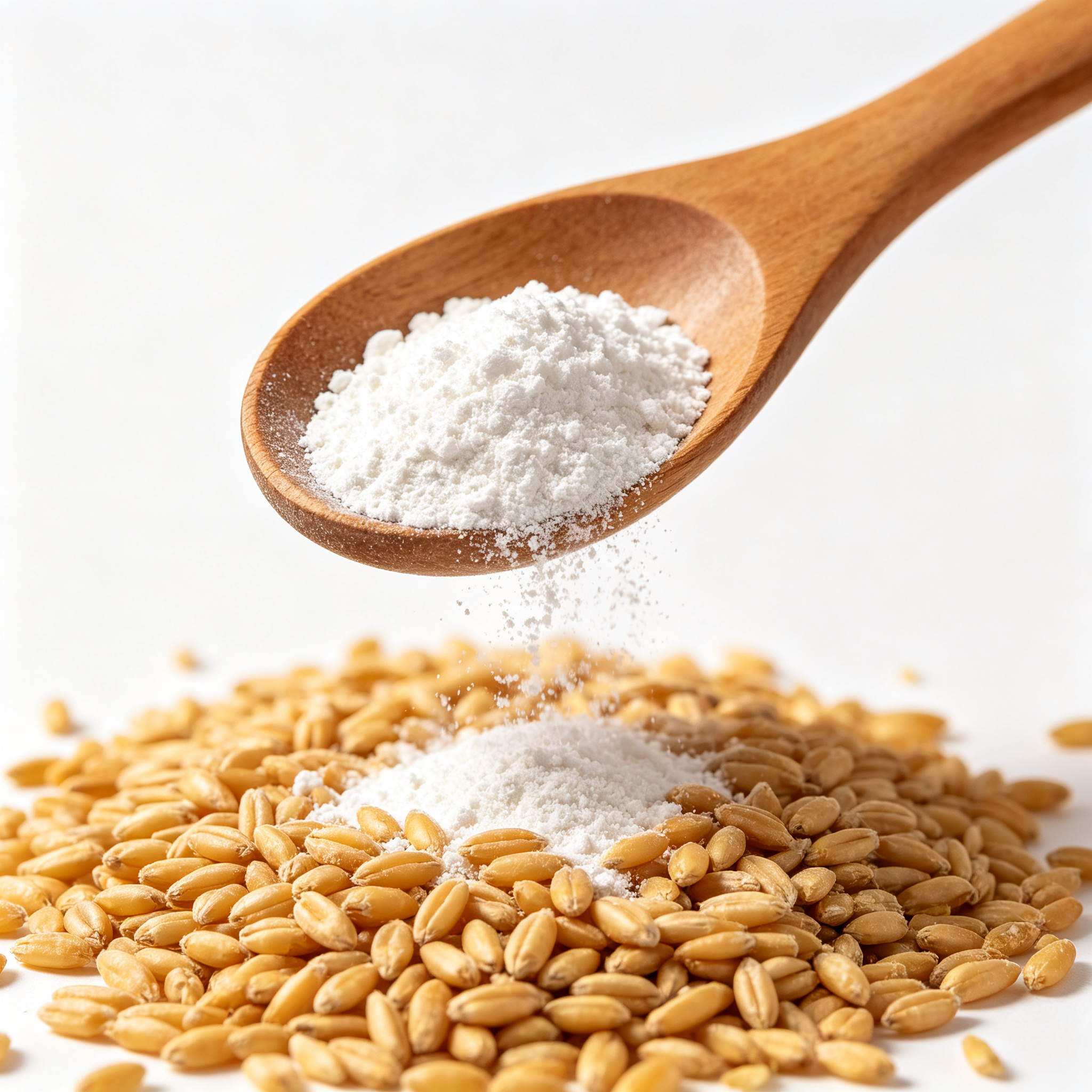
Carrier-grade silica is selected on oil absorption (DBP) and BET — not on price per kilogram.
Product Family Comparison
The table below summarises the six families most often requested during a partnership evaluation. Grades are examples, not an exhaustive list; particle size, BET and packaging can be customised to the application.
| Product family | Example grades | Core parameters | Primary function |
|---|---|---|---|
| Free Flow Agent Silica | ZLSIL-W58A/58A, ZLSIL-W22S, ZLSIL-W58E | D50 14–19 μm; BET 180–190 m²/g; pH 6.0–7.5; LOD ≤6.5% | General-purpose flow aid and anti-caking; dose 0.2–1% |
| High Purity Precipitated Silica | ZLSIL-W58A/58A, ZLSIL-W22S, ZLSIL-W58E | SiO₂ ≥99.5%; ultra-low metals; D50 10–20 μm; BET 150–300 m²/g; pH 6.0–7.5; LOD ≤5% | Premium food, nutraceuticals, pharma-adjacent carriers |
| Food Grade Silicon Dioxide | ZLSIL-W58BF, ZLSIL-W68B, ZLSIL-T38A, ZLSIL-W38A, ZLSIL-T38AB, ZLSIL-A48 | Complies with GB 25576-2020; FDA 21 CFR 172.480; EU E 551 | Food anti-caking, flow aid and carrier |
| E551 Precipitated Silica | ZLSIL-W1FP, ZLSIL-W72FP, ZLSIL-W74FP, ZLSIL-W3050, ZLSIL-W3150, ZLSIL-WG156F, ZLSIL-W1450, ZLSIL-W2000, ZLSIL-58BTS | E 551 / INS 551; SiO₂ ≥99% (pharma grades up to ≥99.5%) | EU-labelled food additive applications |
| Pharmaceutical Excipient Silica | ZLXIDE-P58EP, ZLXIDE-P350, ZLXIDE-W244FP, ZLXIDE-W1FP | SiO₂ ≥99%; D50 10–20 μm (customisable); BET 150–300 m²/g; LOD ≤5%; pH 6.0–7.5; meets USP-NF / EP / ChP | Tablet and capsule flow, anti-caking, carriers, sustained release |
| Feed Grade Precipitated Silica | ZLSIL-FE, ZLSIL-FE180MP, ZLSIL-FE230MP, ZLSIL-FE260MP, ZLSIL-FE180P, ZLSIL-FE260P, ZLSIL-FE1200P | SiO₂ ≥98%; D50 10–50 μm; BET 150–550 m²/g; pH 6.0–7.5; LOD ≤7%; low heavy metals | Feed and pet-food anti-caking, premix and vitamin carrier |
Every batch across these families is assigned a lot number, is fully traceable, and ships with a Certificate of Analysis. Lot numbers are retained for at least 6 months and the COA can be issued in GB, USP or FCC format on request. The group's FSSC 22000 certificate (No. CQC25FS1229R0S/4400) is valid from 2025 to 2028, alongside ISO 9001:2015, ISO 22000:2018, FAMI-QS v6.0 for feed ingredients, HALAL, OU Kosher, US FDA registration and BPJPH, with SMETA Sedex 4-Pillar social compliance.
Partnership FAQ
Does switching to a domestic silica powder supplier change our regulatory position?
No, provided the grade meets the same published standard. The food-grade series is manufactured in compliance with GB 25576-2020 and meets US FDA 21 CFR 172.480 (GRAS), EU E 551 under Commission Regulation (EU) No 231/2012 and Regulation (EC) No 1333/2008, FCC, and JECFA INS 551. Pharmacopoeia-grade material is available to USP-NF, EP and JP specifications with Pb ≤1–2 ppm and total heavy metals ≤10 ppm. Religious and system documentation covers HALAL (valid to May 2028), OU Kosher (to October 2026), FSSC 22000 (CQC25FS1229R0S/4400, 2025–2028), ISO 22000 and FAMI-QS v6.0. For South Korea, the food-grade series is covered by K-REACH pre-registration number K2608-511664, issued by CIRS, which importers can use to clear customs.
What after-sales support exists if we report off-odor, moisture or caking, or a pH problem?
Each complaint category has a documented response path. Off-odor: verify food-contact compliance of the packaging, require dedicated food-grade transport, isolate storage from odorous materials, compare against retained samples and audit the same-batch inventory. Moisture or caking on arrival: photograph for evidence, test moisture content, break up and sieve if appearance and moisture remain within specification, reject if out of specification, and switch to moisture-proof packaging with desiccants for future orders. pH imbalance: apply pH 6.5–6.8 grades to neutral systems and acidic grades such as G300 (pH 2.6) to acidic systems, with a compatibility trial run first for any sensitive formulation. Support is delivered from grade selection through to batch release and iteration, not only at the point of sale.
How should we evaluate cost over a long-term contract — is unit price the right measure?
Unit price understates the real comparison. The relevant measure is total cost of ownership: unit price, rework and rejection losses, downtime from caking or carrier failure, compliance documentation effort, and lead-time risk. Broad grade coverage supports import substitution at approximately 15–35% lower cost, with shipments from domestic plants within 7 days, which avoids long-haul shipping and tariff exposure. Multiple production lines in Guangzhou plus a raw-material base in Fujian provide supply continuity. Annual price agreements and tiered volume pricing are available for long-term customers as a self-owned manufacturer with a relatively controllable cost base.
How do we start a trial, and what sample quantity do we receive?
Start with a sample request rather than a purchase order. Pre-sales samples are provided free of charge, typically 1–5 kg, with one-to-one grade selection support; the customer covers freight or pays a refundable sample fee. Pilot validation runs on 1–25 kg batches, tested in parallel against the incumbent grade at the same dosage, followed by accelerated stability testing at 40 °C / 75% RH for 2–4 weeks. Sealed trial samples are retained. Approval for scale-up is given only after the documented benchmark is met. The standard minimum order quantity is 1 ton and is negotiable, and both standard and custom grades can be scheduled from the same production batch used in the trial.
What lead time, capacity and supply continuity can we expect for a long-term order?
Standard grades ship within 7 days from stock; standard lead time is 3–7 working days, and custom specifications take 15–20 days. Domestic direct shipment shortens lead time by 2–4 weeks compared with imports. Total annual capacity exceeds 110,000 tons, comprising 60,000 t/yr of premium food-grade capacity from Guangdong, 30,000+ t of food and pharma capacity plus 20,000 t of industrial capacity from Shandong, across four production lines in Fujian, Guangzhou and Shandong. The 10,000-ton smart lines produce approximately 1,200 tons per month, supported by own warehousing, per-batch retention and safety stock. Written quality objections can be filed within 5 days of goods arrival, so acceptance terms should be agreed at contract stage. To arrange a pilot batch, request a quotation, or receive the full product catalogue, contact the team at www.silicaplant.com or download the food-grade silica brochure below.
Conclusion: Choose the Partnership, Then the Grade
For a buyer moving from decision to execution on silica powder supply, the sequence matters. Validate first, then commit. Define benchmark parameters — D50, oil absorption, pH and loss on drying — before any material is ordered. Run a 1–25 kg pilot in parallel with the incumbent grade. Hold it through accelerated stability testing at 40 °C / 75% RH for 2–4 weeks. Only then move to scale-up, with an incoming-inspection routine and a retained-sample system already in place.
The grade you choose determines whether a formula performs. The partnership you choose determines what happens when it does not — whether an off-odor report is answered with a documented five-step protocol or with silence, whether a caking complaint is resolved with a sieve and a moisture test or escalates into a rejected container. That is the difference between buying silica powder and running a supply relationship.
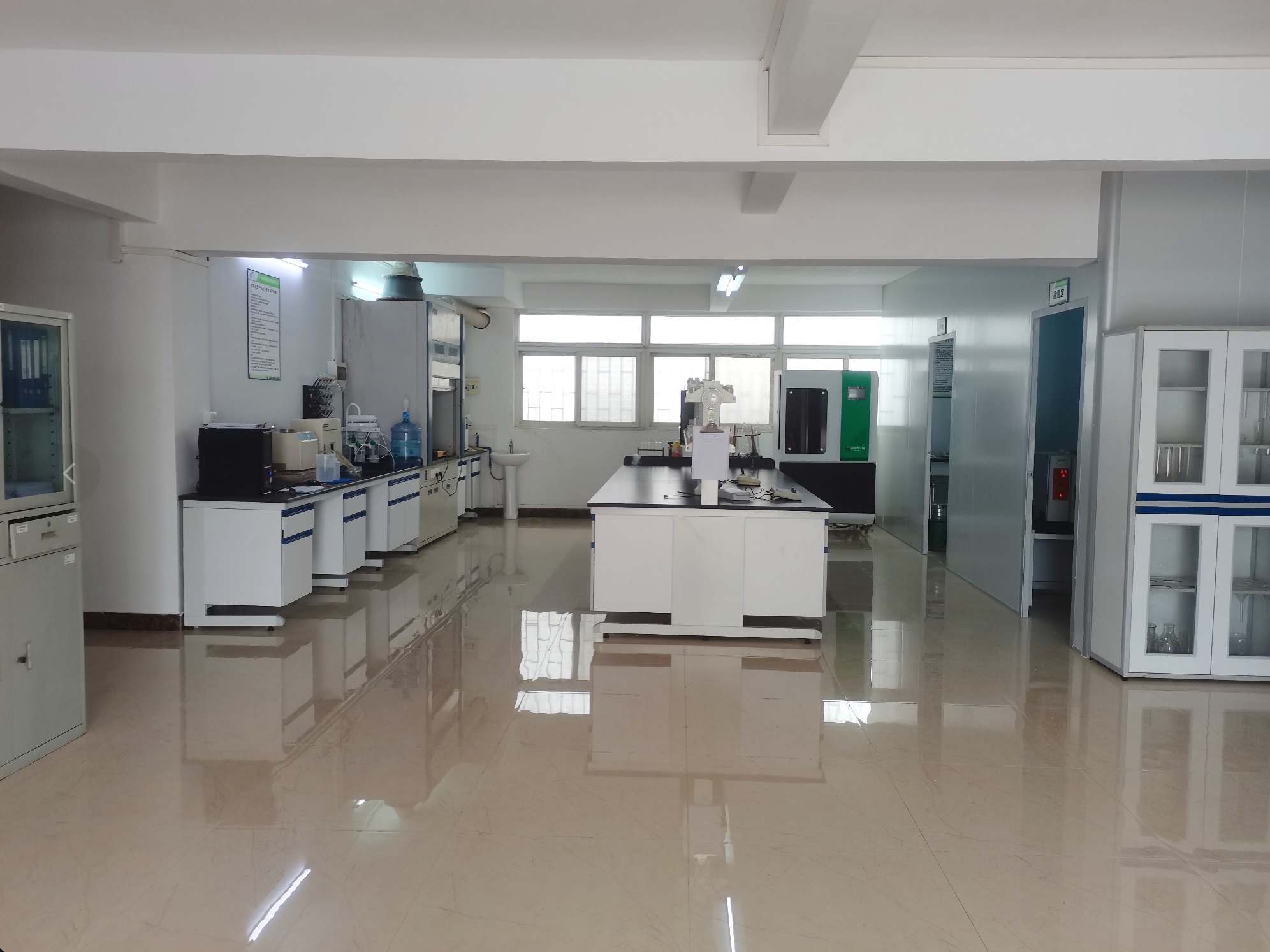
Every batch is released against tested parameters — the same parameters that frame a pilot trial benchmark.
Start With a Sample, Not a Purchase Order
Request a free 1–5 kg sample of Free Flow Agent Silica, High Purity Precipitated Silica, Food Grade Silicon Dioxide, E551 Precipitated Silica, Pharmaceutical Excipient Silica or Feed Grade Precipitated Silica, and run it against your current grade on your own line.
Download the Food Grade Silica Brochure: Food Grade Silica Brochure (PDF)
Website: www.silicaplant.com | Email: levin@silicaplant.com | WhatsApp / WeChat: +86 186 6899 9988
Food-grade adsorbent silica — one of the grade families available for pilot validation.
Have Questions or Need More Details?
Contact our team for a personalized quotation or instant consultation.
Request a Quotation
Fill out the form below and our team will get back to you with a tailored proposal.
WhatsApp Direct Chat
Prefer to chat in real-time? Message us on WhatsApp for instant assistance & quick answers.
- Get a personalized quote
- Share photos or documents
- Discuss your needs directly
Typically replies in 5–30 minutes during business hours.