Chinese Food Grade Silica Powder Manufacturers: A Zhonglian Food Silica Company Profile
Short answer: Zhonglian Food Silica is the export-facing brand of Shandong Zhonglian Chemical Co., Ltd., the overseas sales and brand-operation company of Zhongqi (Guangdong) Silicon Material Co., Ltd. The group manufactures amorphous silicon dioxide — European food additive E 551, CAS 7631-86-9 — for food, pharmaceutical, oral-care, cosmetic, feed and industrial applications. It operates a GMP-compliant production base in Guangzhou with 10,000-ton-level intelligent lines and a stated annual silicon dioxide capacity of approximately 50,000 metric tons, holds 45 patents, and sells into more than 20 countries. This profile reviews the company the way a procurement team would: products, capability, compliance, evidence and limits.
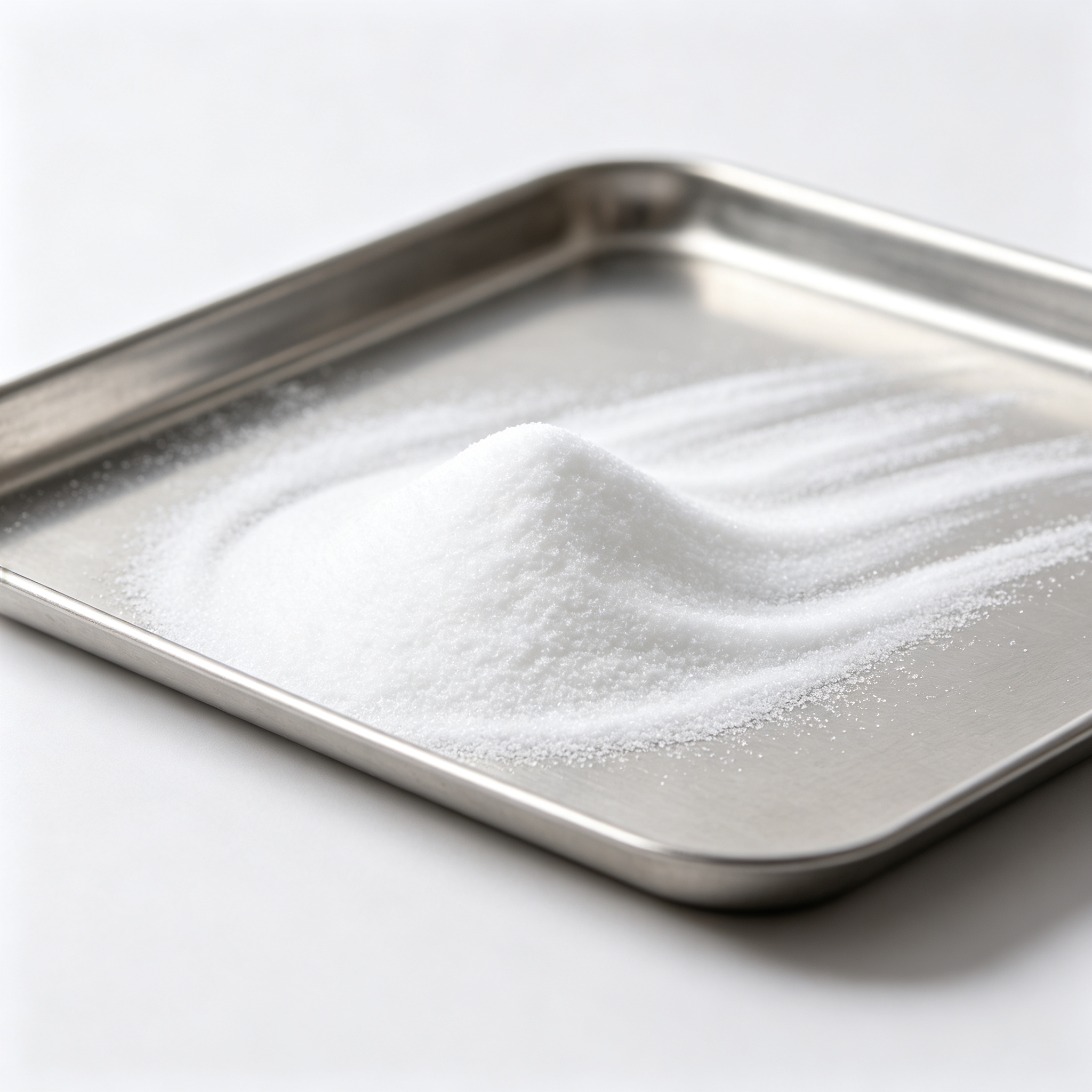
Food-grade precipitated silica powder (ZLSIL series, CAS 7631-86-9, E 551) sampled on a stainless steel tray. Image: Zhonglian Chemical.
The Real Problem: "Food Grade Silica Powder" Is Several Different Products
"Food grade" describes a compliance status. It does not describe a material. Two suppliers can both quote "food grade silica powder" and be selling products with different production routes, pore structures, particle-size distributions and regulatory files. That is the first reason supplier comparison fails before price is even discussed.
Three production routes sit underneath the same category label:
- Precipitated silica — produced from sodium silicate and acid in a wet process. Porous, cost-effective, and the mainstream choice for anti-caking, free-flow and liquid-carrying duties.
- Gel silica — produced with a controlled pore structure and higher adsorption capacity; typically used for purification duties such as edible-oil refining.
- Fumed silica — produced by flame hydrolysis of silicon tetrachloride. Nanoscale primary particles, purity of 99.8% or higher, used mainly for rheology control and clear systems.
The second layer is the regulatory file, and it is not interchangeable between markets:
- China — GB 25576-2020 (Food Additive – Silicon Dioxide) plus GB 2760 use provisions.
- European Union — E 551, with purity criteria in Commission Regulation (EU) No 231/2012 and use provisions in Regulation (EC) No 1333/2008.
- United States — FDA 21 CFR 172.480 (GRAS) and the Food Chemicals Codex (FCC).
- Pharmaceutical use — USP-NF, EP or JP monographs, which are a separate specification set from food grade.
The third layer is the technical target set: D50 (median particle size), BET specific surface area, oil absorption (DBP), loss on drying (LOD), loss on ignition (LOI), pH, iron content, heavy metals and microbiological limits. A grade that performs well in table salt can fail in a high-fat non-dairy creamer, because fat caking is a different mechanism from moisture bridging.
Practical rule: compare quotations only after fixing the grade family, the destination market and the technical target set. Price per ton between two different grade families is not a comparison at all.
Industry Background: A Category With a Definition Problem
Fortune Business Insights valued the global food-grade silica market at USD 0.87 billion in 2025. That number deserves a caveat: commercial valuations of "food grade silica" diverge sharply because the boundary of the category is not fixed. Estimates that include pharmaceutical, nutraceutical or feed grades run materially higher — some published figures approach twice the strict E551-only scope. Buyers should therefore treat any single market-size figure as scope-dependent rather than absolute.
Adjacent segment data is more consistent and more useful for planning. Mordor Intelligence reports global precipitated silica volume of 3.25 million tons in 2025. QYResearch forecasts the silica-for-toothpaste market at USD 441 million for 2025, and SNS Insider forecasts silica antiblock additives at USD 613.71 million for 2026. Taken together, these confirm that the material is used at industrial scale across food, oral care and packaging films — not in a niche.
Regulatory clarity improved in October 2024, when the European Food Safety Authority (EFSA) re-evaluated E 551 and confirmed that it is safe for all population groups, including infants. For exporters, that removes a recurring question mark from European customer questionnaires.
Two structural shifts matter when selecting a Chinese supplier today. First, documentation density: certificates, per-batch Certificates of Analysis, pharmacopoeia-grade statements and religious certification are now part of the product, not an accessory. Second, grade breadth: a supplier that can serve anti-caking, liquid carrying, adsorption, oral care and pharmaceutical flow in one qualification saves an entire second audit cycle.
Trade classification note: silicon dioxide is commonly declared under HS code 281122 (United Nations Statistics Division). The correct declaration still depends on grade and end use, so confirm the code with your customs broker.
Company Overview: Who Zhonglian Food Silica Actually Is
Zhonglian Food Silica is a brand rather than a separate factory. Behind it sit two entities with different roles.
- Operating entity — Shandong Zhonglian Chemical Co., Ltd. Established in 2010, it takes charge of overseas sales and brand operation for the group. It is the commercial counterparty for export orders.
- Manufacturing parent — Zhongqi (Guangdong) Silicon Material Co., Ltd. Founded in December 2011, with a predecessor operation dating to 2006, and listed on the Guangdong Equity Exchange in 2021 (stock code 880747). The group states more than 20 years of activity in the silicon dioxide sector.
- Production base — Guangzhou, Guangdong Province. GMP-compliant standardised workshops and intelligent production lines. The facility covers approximately 17,000 m², employs about 30 people, and includes a multi-thousand-ton intelligent production line. Stated annual silica capacity is approximately 50,000 metric tons, with the Guangdong food-grade base stated at more than 10,000 tons per year.
- Team. R&D personnel account for more than 20% of total staff, and core members have over ten years of industry experience.
- Export profile. Roughly 70% of output is exported. Stated markets include Europe, North America, Japan and South Korea, Southeast Asia and the Middle East, with additional coverage in South America and Africa; products reach more than 20 countries.
- Recognition. National High-Tech Enterprise (GR202344001779, 2023), a Guangdong "Specialized, Sophisticated, Unique and New" Enterprise, and a Guangzhou key cultivation private enterprise. The company is also a member of the China Food Additives and Ingredients Association.
For a buyer, the practical reading is straightforward: the export interface is a dedicated trading and brand entity, while manufacturing and quality control sit with a listed parent group that also holds the patents, the testing centre and the certificates.
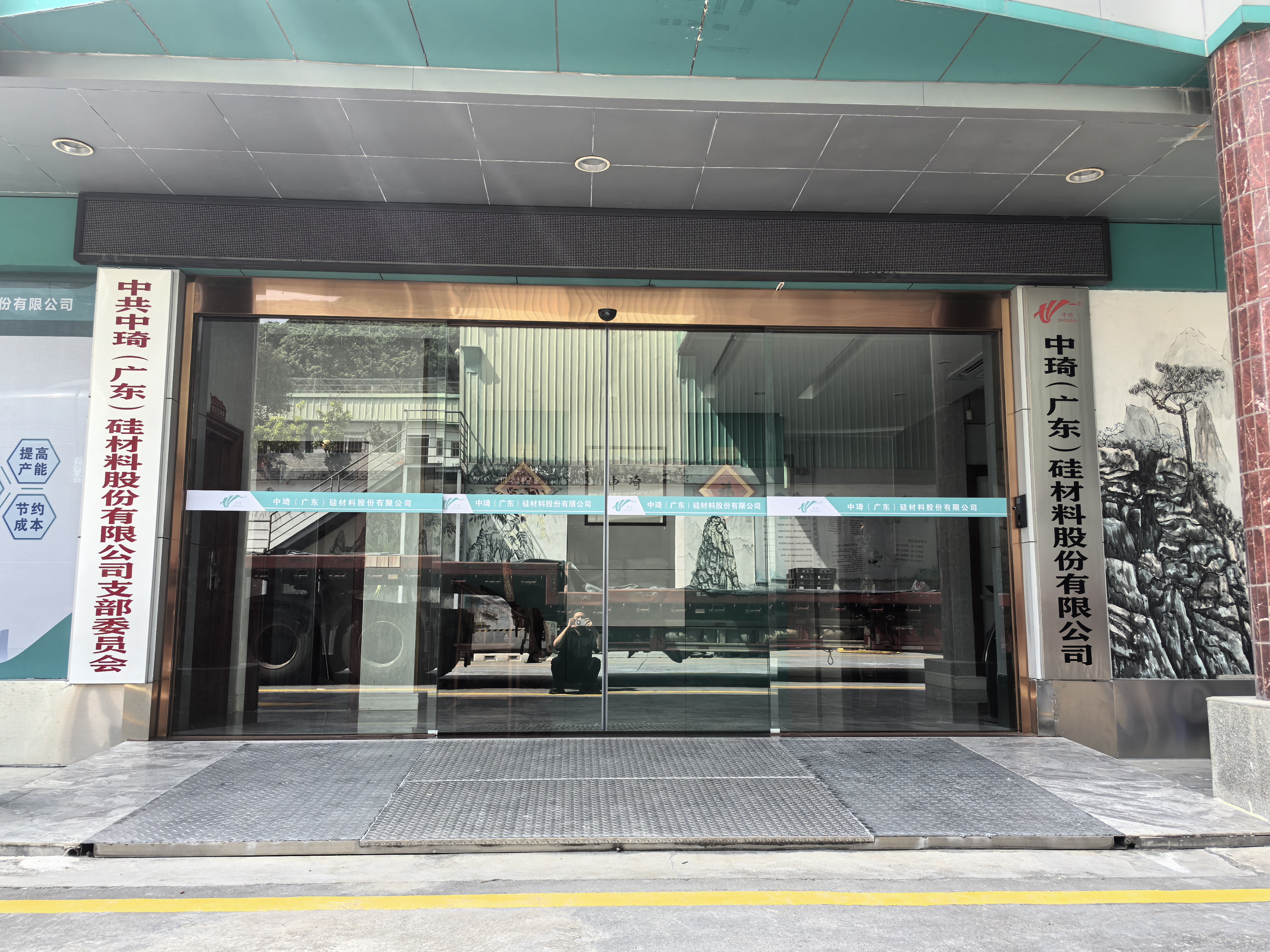
Production area at the GMP-compliant Guangzhou base. Image: Zhonglian Chemical.
Core Products and Solutions: The ZLSIL, ZLXIDE, ZOILSIL and ZLBLOC Families
The company organises its portfolio into brand lines that map to production route and application, which makes technical selection easier than searching a flat model list:
- ZLSIL — precipitated silica, the core range for food anti-caking, flow aid, carrier duty, feed and industrial powders.
- ZLCSIL and ZLXIDE — fumed silica grades, including hydrophobic surface-treated types and food-grade fumed grades.
- ZQSIL — functional matting and ultrafine grades.
- ZLXIDE — pharmaceutical excipient grades meeting pharmacopoeia specifications.
- ZOILSIL / zoilsil — silica-gel adsorbents for edible-oil refining and beer filtration.
- ZLDIO — oral care and cosmetic grades.
- ZLBLOC — film anti-blocking grades.
The ZLSIL series alone is described as covering more than 40 grades, including ZLSIL-W58A, ZLSIL-W22S, ZLSIL-W50S, ZLSIL-W110SD, ZLSIL-T680 and ZLSIL-A325. The table below summarises the representative families and the parameters published for them.
| Grade family | Representative models | Key published parameters | Typical application |
|---|---|---|---|
| Free-flow / anti-caking silica | ZLSIL-W58A/58A, ZLSIL-W22S, ZLSIL-W58E | D50 14–19 µm; BET 180–190 m²/g; pH 6.0–7.5; LOD ≤6.5%; dose 0.2–1% | Food powders, seasonings, instant drinks, chemical powders, feed premixes |
| Silica for salt | ZLSIL-A325, ZLSIL-W58E | 325 mesh; D50 ≈44 µm; BET 170 m²/g; pH 5.5–7.5; LOD ≤7.0%; dose 0.5–1% | Table salt, sea salt, seasoned salt, curing salt, salt substitutes |
| Non-discolouring flavour silica | ZLSIL-58BF | D50 ≈15 µm; BET 200 ± 20 m²/g; pH 6.0–7.5; LOD ≤6.5% | Food flavours, flavour bases, oily seasonings, powdered flavour carrier |
| Low-iron / low-speck grades | ZLSIL-W58BF, ZLSIL-W58BH | Fe ≤5 ppm standard, ≤1–2 ppm premium; whiteness ≥96% (premium ≥98%) | White and light-coloured powders, clear gels, white tablets, cosmetics |
| High-purity precipitated silica | ZLSIL-W58, ZLSIL-W22S, ZLSIL-W58E | SiO₂ ≥99.5%; D50 10–20 µm; BET 150–300; pH 6.0–7.5; LOD ≤5% | Premium food, nutraceuticals, pharmaceutical excipients, precision carriers |
| Edible-oil adsorbent | ZOILSIL-GZ R92, GZ 150, GZ 300, GD450, Zoilsil-W58G / W58GS | SiO₂ ≥99.7%; BET ~700 m²/g; D50 16–26 µm; pH 1.5–3.0; contact time 10–15 min | Vegetable and animal oil degumming, de-soaping, bleaching; biodiesel feedstock preparation |
| Food-grade adsorbent | ZOILSIL-GZ series | SiO₂ ≥99%; D50 10–25 µm; BET 190–700 m²/g; oil absorption 200–350 ml/100 g; LOD ≤7% | Food, nutraceuticals, flavours, solid drinks, seasonings, pet food |
| Pharmaceutical excipient | ZLXIDE-P200, P300, P380, P972 and W-series | SiO₂ ≥99%; USP-NF / EP / ChP; Pb ≤2 mg/kg; As ≤3 mg/kg; total microbes <100 CFU/g | APIs, tablets, capsules, multivitamins, effervescent tablets, TCM powders |
| Oral care | ZLSIL-T116, T113, T101, T120, T124, TY2, T163, T104, T103 | SiO₂ ≥99%; D50 10–14 µm; BET 110–195 m²/g; pH 6.0–8.5; RDA graded | Whitening, general, children and sensitive-tooth pastes; clear gels |
| Feed and pet feed | ZLSIL-PF325, PF58, PF22S, PF244, PF38, PF50 | D50 14–44 µm; BET 160–200 m²/g; pH 6.0–7.5; dose 0.5–2% | Dry pet food, livestock feed, premixes, salt and sugar carriers |
| Film anti-blocking | ZLBLOC-S25, S35, S44, S45, S46, B905, E300, P05 | D50 2–4 µm; narrow PSD; good sphericity; polyolefin-compatible | Plastic films, packaging film, printing and lamination film |
| Hydrophobic fumed silica | ZLCSIL-R960, R961, R981, R850, R860, R870, R660, R560, R208, R760 | Primary 12 nm; BET 100–200 m²/g; DDS / HMDS / PDMS treated; pH 3.7–4.5 | Adhesives, sealants, powder coatings, hot-melt, cosmetics, inks |
| Oxygen-scavenger carrier | ZLSIL-FE260MP, FE260P, FE180MP | High-surface porous structure; high iron-loading; food-grade inert, low ash | Food oxygen absorbers, fresh-keeping packaging, desiccants |
Customisation and OEM / ODM support
Customisation is one of the clearer differentiators in this portfolio, because the material is defined by particle engineering rather than by a single chemistry. The company states that particle size can be specified from 2 to 300 µm, moisture from 0.5% to 7.0%, whiteness to 98% or above, with adsorption performance and pH resistance adjustable to the formulation. Packaging is configurable from 1 kg retail bags to jumbo bags, with multilingual labels and customer logo printing — a practical requirement for distributors who resell under their own brand.
Manufacturing, Research and Quality Control
Manufacturing and quality infrastructure are where a supplier claim either holds up or does not. The published profile of the Guangzhou base includes the following elements.
- Facility and lines. GMP-compliant standardised workshops with dedicated food-grade lines and intelligent production lines, including 10,000-ton-level intelligent lines.
- Testing infrastructure. A national-standard testing centre and a high-standard microbiological testing laboratory, with independent microbiological testing capability.
- Process control. A full-process quality management system spanning raw-material screening to finished-product delivery, with strict control of trace metals, moisture and impurities, and full batch traceability.
- Inspection depth. A 26-step full-lifecycle inspection is described for the food-grade series, supported by atomic fluorescence spectrometers, laser particle analysers and HPLC.
- Intellectual property. 45 patents (invention, utility model and design) covering production and preparation, environmental protection and energy saving, powder treatment and automatic packaging.
- Third-party verification. Products have been tested by third parties including Intertek and CQC.
- R&D structure. R&D personnel represent more than 20% of headcount; the company maintains industry–university–research cooperation mechanisms and joint laboratories with several universities, and states that it has participated in the formulation of several industry standards.
- Segregation control. A dedicated feed-grade line is described, with no cross-contamination from industrial silica grades.
- Visual-defect control. Internal black-speck limits are tighter than the national standard: no specks above 0.3 mm, a maximum of one speck between 0.2 and 0.3 mm per bag, and no more than ten below 0.2 mm per bag, with 5–10 bags sampled per batch and full-batch rejection on failure.
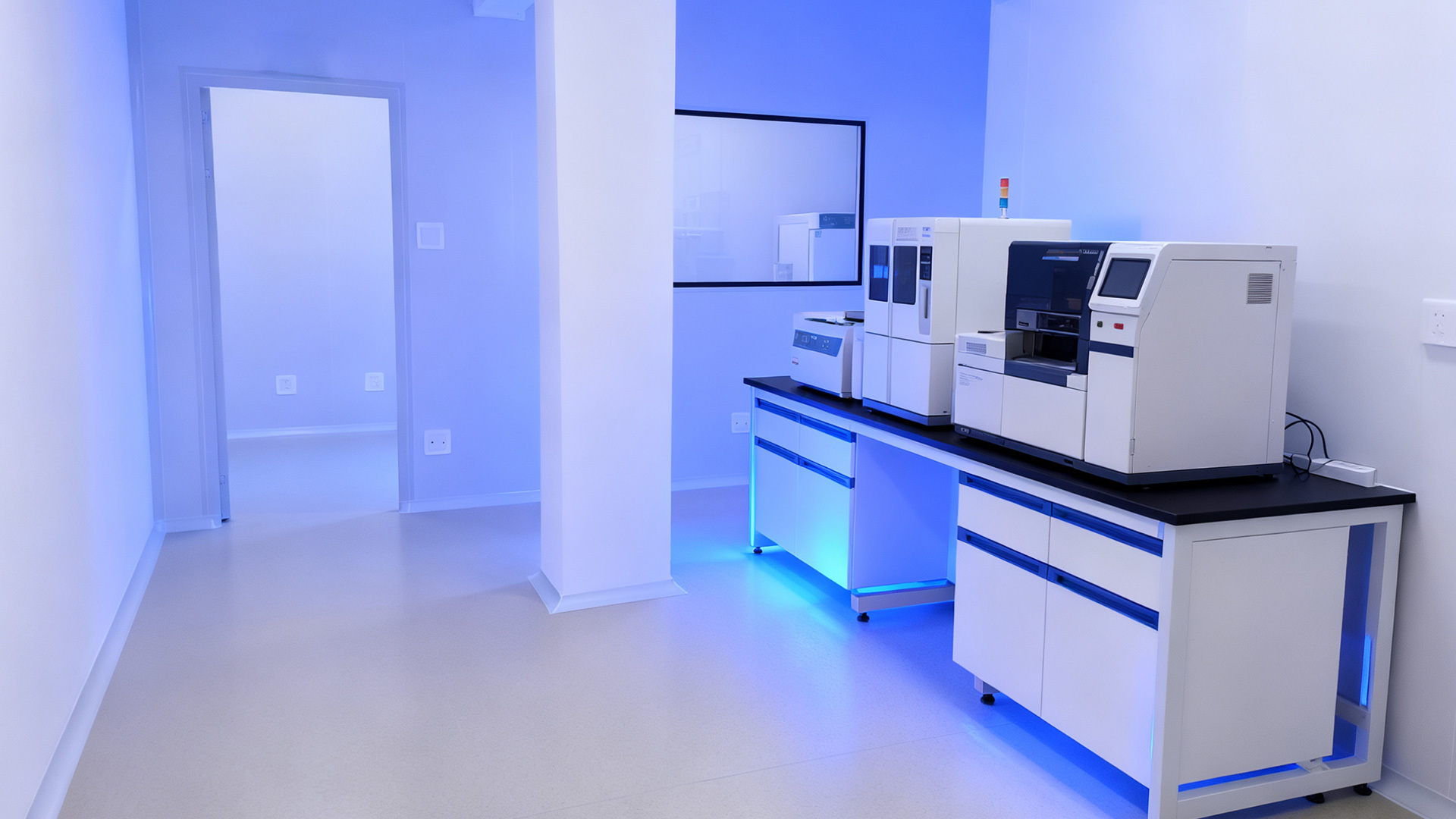
In-house microbiological testing laboratory — microbial release testing is performed per batch. Image: Zhonglian Chemical.
Compliance: What the Certification File Covers
Compliance is the point where a food-grade supplier is either usable or not, and it is worth separating the layers rather than treating "certified" as one word.
| Scope | Framework applied |
|---|---|
| China | GB 25576-2020 "Food Additive – Silicon Dioxide"; GB 2760 use provisions; food and feed additive production licences |
| United States | FDA 21 CFR 172.480 (GRAS); FCC (Food Chemicals Codex); USP-NF specifications available |
| European Union | E 551; Commission Regulation (EU) No 231/2012 (purity criteria); Regulation (EC) No 1333/2008 (use provisions) |
| International | JECFA evaluated ADI as "not specified"; USP-NF, EP and JP monographs available for pharmaceutical grades |
| Management systems | ISO 9001:2015, ISO 22000:2018, FSSC 22000 v6.0, HACCP; FAMI-QS v6.0 for feed ingredients |
| Religious and social | HALAL (including Indonesia BPJPH), OU Kosher; SMETA Sedex 4-Pillar social compliance (Intertek) |
Two specification details are worth flagging. First, GB 25576-2020 splits food additive silica into three classes by process: Class I precipitated silica with ignited SiO₂ ≥99.3%, Class II ≥99.0%, and Class III precipitated or gel ≥96.0%. The company states that its standard food grades meet Class I/II levels, i.e. 99.0–99.3%. Second, elemental control is documented per batch: published food-grade figures are Pb ≤1 mg/kg, As ≤2 mg/kg and Cd ≤0.5 mg/kg, with Hg and Cr tested every batch, while pharmaceutical grades are specified at Pb ≤2 mg/kg and As ≤3 mg/kg with elemental impurities controlled per ICH Q3D and total microbes below 100 CFU/g.
Microbiological control follows USP <61>/<62> and food-grade requirements, with pathogens such as E. coli required to be absent. A Certificate of Analysis is issued for every batch, and can be provided in GB, USP or FCC format depending on the customer's filing needs. For South Korean importers, the food-grade series carries a K-REACH pre-registration (number K2608-511664), which allows importers to clear customs using the registration number.
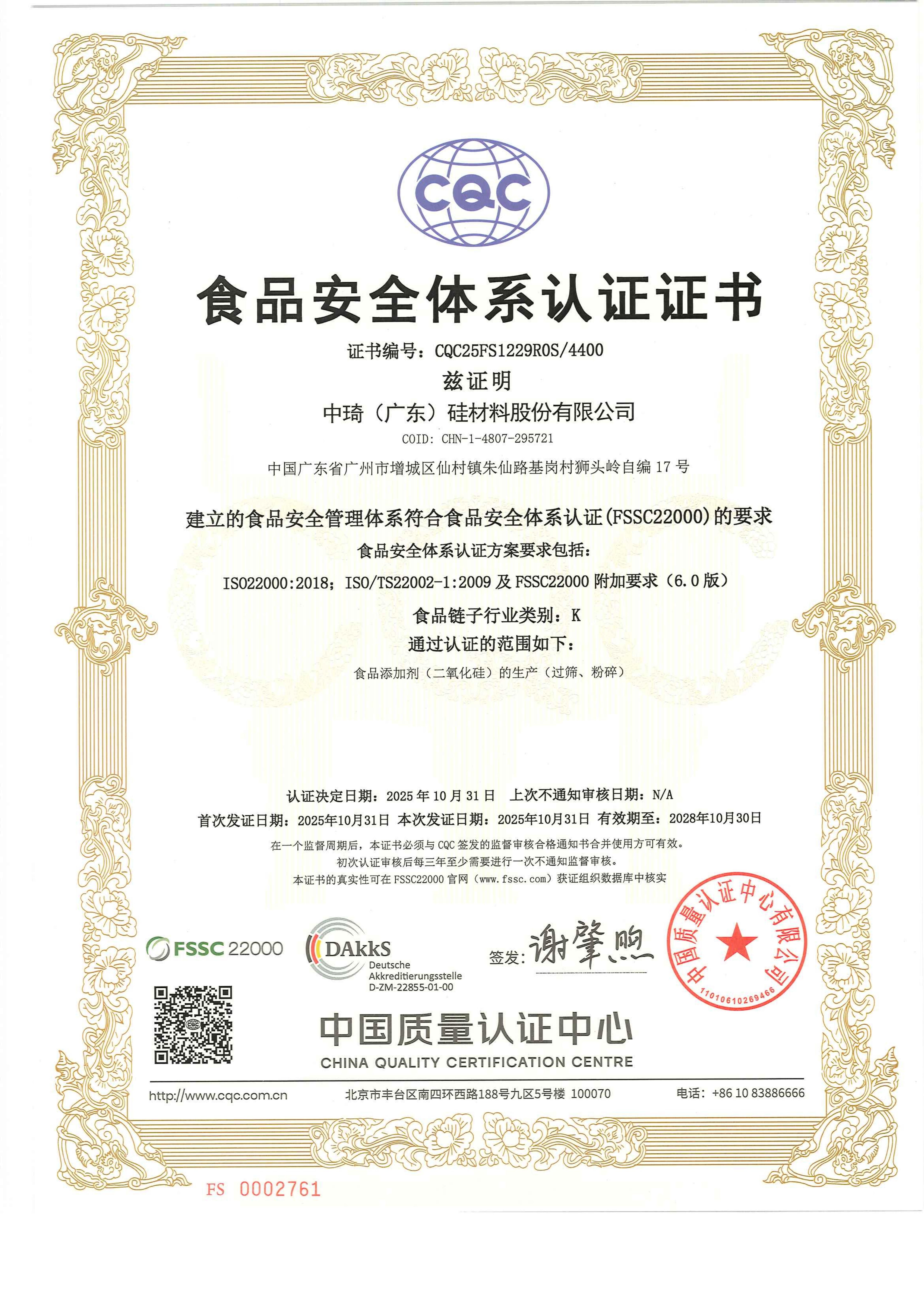
FSSC 22000 food safety management certification covering the food-grade silica production system. Image: Zhonglian Chemical.
Market Recognition and Cooperation Cases
Supplier claims become more useful when they are specific. The company reports serving more than 400 downstream brand customers, including Fortune Global 500 companies such as Nestlé, COFCO, Budweiser, Yihai Kerry, IFF and Symrise. Five cooperation cases are documented.
- Nestlé on-site audit (October 2025). The company passed the audit and became a certified supplier approved for pet food and food wet/dry mixing scenarios — a qualification that depends on both documentation depth and manufacturing control.
- COFCO — decade-long partnership. Food-grade silica is used to guarantee stable flowability of tomato powder.
- Yihai Kerry oil refining. An adsorbent with customised pore structure and high specific surface area adsorbs phospholipids and trace metals, helping improve transmittance while reducing clay consumption and crude-oil loss.
- HaiDiLao beef tallow. Optimised particle size raised filtration efficiency by 40%, enabling anhydrous degumming with less wastewater.
- Snow Beer and Budweiser. Zoilsil58GS selectively adsorbs sensitising proteins and polyphenols as a filter aid while preserving foam and malt flavour.
The company also states its domestic position as food-grade silica ranking among the top three in China, with more than 80% share in South China, and its toothpaste-grade silica among the top five for three consecutive years. These are first-party rankings and should be read as company statements rather than independently audited market data — but the named customer list and the audit outcome are verifiable references a procurement team can request directly.
Where the Procurement Value Sits
Three factors drive the commercial case: regulatory breadth, grade breadth, and domestic availability.
On cost, the company benchmarks its core product performance against international first-tier brands at 15%–35% lower cost, and positions itself as a domestic import-substitution option. That range is a company figure and should be tested grade by grade — the meaningful comparison is delivered cost per application, not price per ton, because packaging, documentation, freight, Incoterms and any reformulation cost all sit inside the real number.
| Commercial item | Stated detail |
|---|---|
| Lead time — stocked items | 3–10 days |
| Lead time — customised orders | 10–20 days |
| Trade terms | EXW, FOB, CIF, DDP |
| Minimum order quantity | 50 kg for the LCL export grade |
| Packaging | 10 kg, 15 kg and 20 kg bags, plus jumbo bags; 1 kg retail bags to jumbo bags available |
| Shelf life | 24 months when kept sealed in a cool, dry, well-ventilated store |
| Documentation | Per-batch COA; GB, USP or FCC formats on request |
| Technical support | Free samples with COA and certificates; dedicated engineer with a 2-hour response commitment; laboratory simulation and formulation optimisation |
Step-by-Step: How to Evaluate and Onboard a Chinese Food-Grade Silica Supplier
The following sequence reflects standard purchasing practice for regulated powders and is the order in which risk should be retired.
- Define the functional job and the destination market. Anti-caking in a hygroscopic salt is a different requirement from liquid-flavour carrying in a bakery premix. Fix the end market first, because it determines whether the file must be GB, E 551, FCC or a pharmacopoeia specification.
- Lock the technical target set. Agree D50, BET, oil absorption, LOD, LOI, pH, iron content, heavy metals and microbiological limits before requesting quotations. Without this set, suppliers will quote different materials at different prices.
- Request the documentation pack before samples. Per-batch COA format, management-system certificates, religious certification, feed certification where relevant, and elemental-impurity statements. A supplier that cannot produce these quickly will struggle later in an audit.
- Run a pilot validation — this step is not optional. A compliant COA does not guarantee finished-product performance, because end results also depend on formulation, process and equipment. Use 1–25 kg pilot batches, define benchmark parameters, run parallel tests at the same dosage as the existing formulation, evaluate flowability, anti-caking behaviour, colour and solubility, then run accelerated stability testing at 40 °C / 75% RH for two to four weeks. Pilot material should come from the same batch as planned full-scale production, and trial samples should be sealed and retained.
- Confirm commercial terms in writing. Packaging format, MOQ, Incoterms, lead time, shelf life and the retention-sample policy. Confirm the moisture-barrier packaging option for humid destinations and long ocean transit.
- Qualify by audit and lock traceability. Audit the plant, review the HACCP plan, and confirm that critical control points — incoming raw-material inspection, black-speck and foreign-matter screening, and metal contamination control — are documented and repeatable. Retain a sample of each delivery batch and label it fully, so complaints can be traced to a lot number.
Use Cases Across Six Application Areas
Salt, spices and compound seasonings
Coarse grades such as ZLSIL-A325 (325 mesh) are designed for salt anti-caking at doses of 0.5–1%, absorbing trace moisture and forming a non-hygroscopic coating on crystal surfaces. Seasoning grades are specified as odourless and flavour-preserving, so the additive does not alter the aroma profile of chilli, pepper, curry or bouillon powders.
Milk powder, creamer, protein and instant beverages
Medium particle-size, low-moisture grades are used as anti-caking and free-flow agents where solubility and mouthfeel matter. The relevant failure mode is grit or sediment, so D50 and D90 must be controlled rather than only D50.
Flavours and colour-sensitive powders
Iron ions are the main driver of yellowing in silica-containing flavour systems, because trace iron forms coloured complexes with compounds such as ethyl maltol. Low-iron, non-discolouring grades are specified at Fe ≤5 ppm for standard low-iron grades and ≤1–2 ppm for premium grades, with whiteness of at least 96% and 98% respectively.
Edible oil refining and frying oil management
ZOILSIL grades are high-purity silica-gel adsorbents for secondary refining, adsorbing phospholipids, soaps and trace metals that water washing does not capture. Published specifications include SiO₂ ≥99.7%, BET around 700 m²/g, D50 16–26 µm and a contact time of 10–15 minutes. In frying oil, the same family adsorbs polar polymers and free fatty acids and can be dosed through existing filters.
Beer, wine and juice clarification
Brewery-grade silica selectively adsorbs chill-haze proteins and polyphenols as a filter aid. Because it is chemically inert and insoluble, it is fully removed by filtration as a processing aid, and it is described as leaving foam and malt aroma unaffected.
Tablets, capsules and nutraceuticals
Pharmacopoeia-grade silica functions as a glidant, anti-caking agent, adsorbent carrier and direct-compression aid, and is animal-origin-free. Grades are available under USP-NF, EP and JP specifications, with TSE/BSE-free statements and residual-solvent declarations available for filing support.
Feed and pet food premixes
Feed grades are used for anti-caking and flow in mineral and vitamin premixes and as liquid carriers, with a typical dose of 0.5–2%. Production runs on a dedicated feed-grade line covered by FAMI-QS certification.
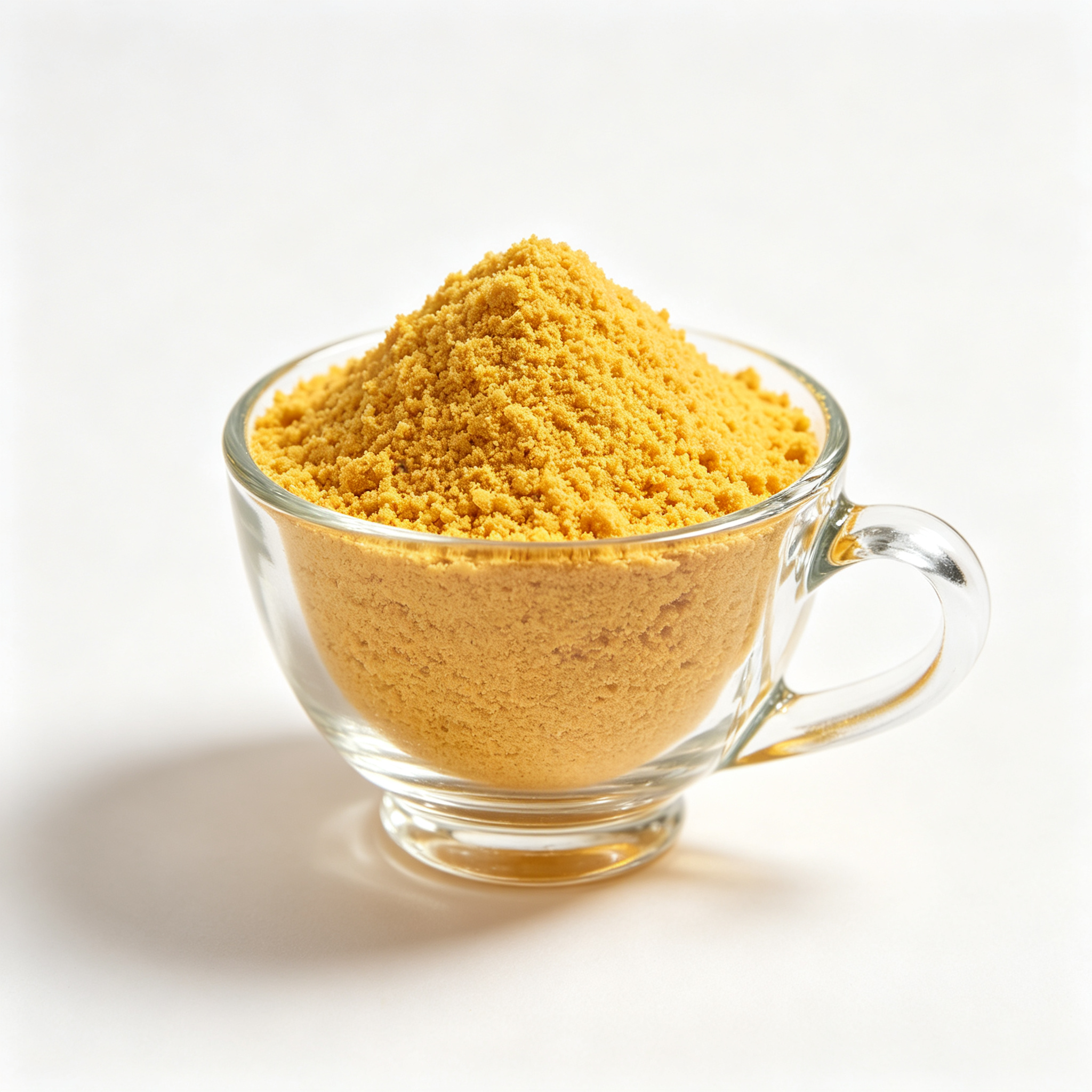
Silica blended into seasoning powder to prevent caking and improve flow. Image: Zhonglian Chemical.
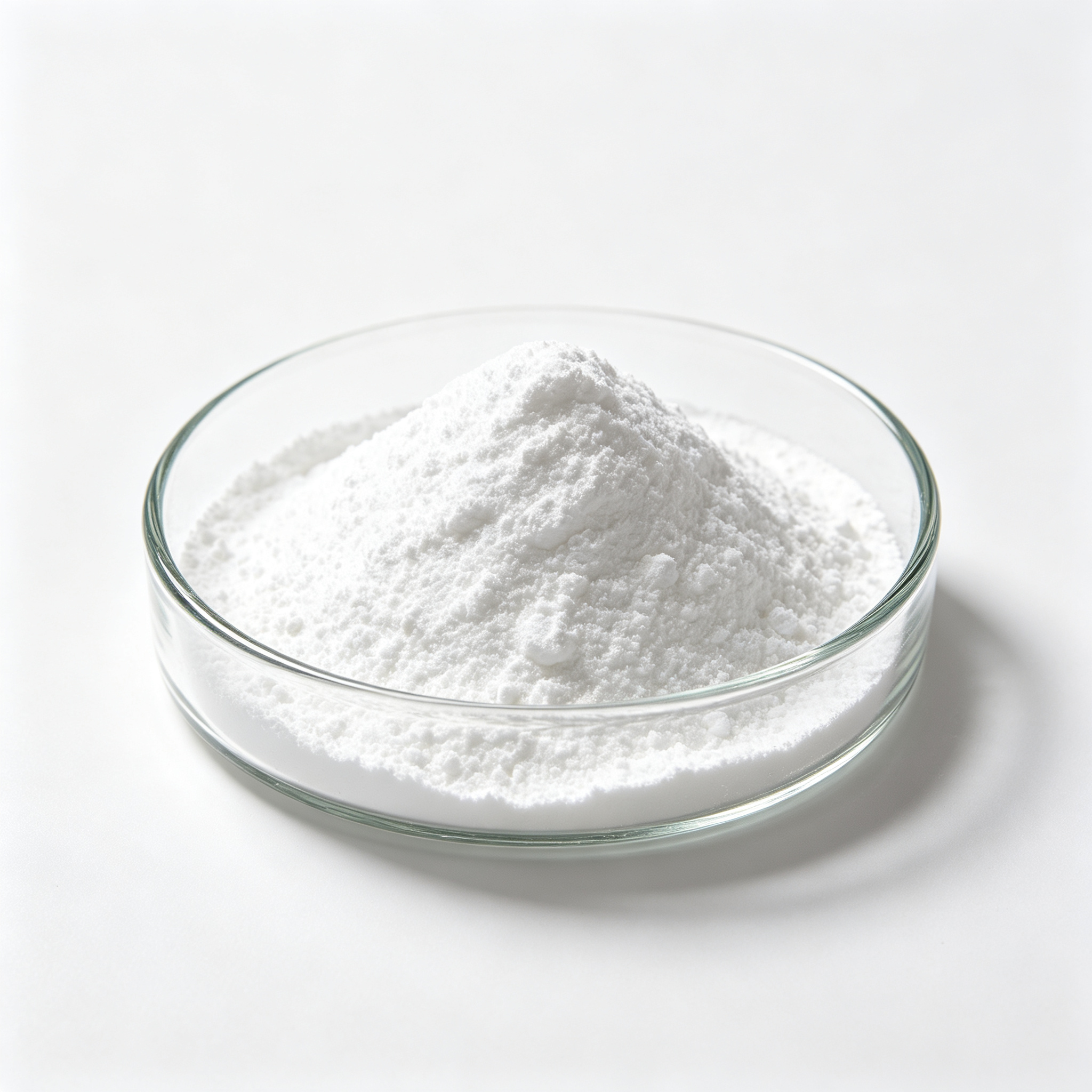
High-purity precipitated silica (SiO₂ ≥99.5%) from the Guangzhou production base. Image: Zhonglian Chemical.
FAQ: Chinese Food Grade Silica Powder Manufacturers
1. What compliance documentation should a Chinese food-grade silica powder manufacturer provide for EU and US buyers?
For the European Union, buyers need evidence of E 551 status: purity criteria under Commission Regulation (EU) No 231/2012 and use provisions under Regulation (EC) No 1333/2008. This was reinforced in October 2024 when EFSA re-evaluated E 551 and confirmed it is safe for all population groups, including infants. For the United States, the relevant file is FDA 21 CFR 172.480 (GRAS) plus FCC (Food Chemicals Codex) compliance. Behind both sits the Chinese production standard, GB 25576-2020. Zhonglian grades are documented against GB 25576-2020, FDA 21 CFR 172.480, FCC and E 551, with USP-NF, EP or JP specifications available where a pharmaceutical file is required, alongside HALAL (including Indonesia BPJPH), OU Kosher, ISO 9001:2015, ISO 22000:2018, FSSC 22000, FAMI-QS for feed and SMETA Sedex 4-Pillar social compliance. A Certificate of Analysis is issued for every batch.
2. What production capability should buyers verify in a Chinese food-grade silica supplier?
Verify the physical base, the quality infrastructure and the evidence of scale. Zhonglian's manufacturing parent operates a GMP-compliant base in Guangzhou with 10,000-ton-level intelligent lines and a stated annual silicon dioxide capacity of approximately 50,000 metric tons from a facility of about 17,000 m². Quality infrastructure includes a national-standard testing centre and an in-house microbiological testing laboratory, with full-process control from raw-material screening to finished-product delivery, per-batch testing and complete batch traceability. The group holds 45 patents covering production and preparation, energy saving, powder treatment and automatic packaging; R&D staff exceed 20% of headcount; and products have been tested by third parties including Intertek and CQC. The company reports serving more than 400 downstream brand customers, including Nestlé, COFCO, Budweiser, Yihai Kerry, IFF and Symrise.
3. How does the cost of Chinese food-grade silica compare with imported grades?
The company benchmarks its core product performance against international first-tier brands at 15%–35% lower cost, and cites import substitution as its main commercial positioning. That range is a company figure and should be tested grade by grade, because the meaningful comparison is delivered cost per application rather than price per ton. The calculation changes with the grade family (precipitated versus fumed), the documentation required, packaging format, freight and Incoterms, and the cost of any reformulation or pilot validation. Buyers should also price the risk that is avoided: domestic stock shipping in 3–10 days removes the exposure created by multi-week ocean freight and tariff variability.
4. Can buyers request samples and run validation before committing to bulk?
Yes. Free samples with a Certificate of Analysis and certificates are offered, and pilot validation is recommended as a standard step before any import substitution. The supplier's own guidance is to define benchmark parameters first (D50, oil absorption, pH, loss on drying), then run parallel tests at the same dosage as the existing formulation, evaluate flowability, anti-caking performance, colour and solubility, and finally run accelerated stability testing at 40 °C / 75% RH for two to four weeks. Pilot material should come from the same batch as planned full-scale production, and trial samples should be sealed and retained.
5. What are typical lead times, minimum order quantities and packaging?
Stocked items ship in 3–10 days and customised orders in 10–20 days. The minimum order quantity for the LCL export grade is 50 kg, and EXW, FOB, CIF and DDP terms are supported. Packaging ranges from 1 kg retail bags to jumbo bags, with standard 10 kg, 15 kg and 20 kg options, and a 24-month shelf life when stored sealed in a cool, dry, well-ventilated warehouse. The full food-grade silica brochure, specifications and application guidance are available for download below, and free samples can be arranged for a side-by-side trial against your current grade.
Conclusion: Industry Position, Procurement Value and What to Watch
Zhonglian Food Silica sits in the segment of the Chinese silica industry that competes on documentation and grade breadth rather than on commodity volume alone. The evidence supporting that position is specific: a listed parent group, a GMP-compliant base with 10,000-ton-level intelligent lines and stated capacity of approximately 50,000 metric tons per year, 45 patents, a national-standard testing centre with in-house microbiology, certifications covering China, the EU, the US, feed and religious markets, and named cooperation cases including a Nestlé on-site audit passed in October 2025 and a decade-long COFCO supply relationship.
For buyers, the procurement value is concentrated in three places. First, regulatory load-bearing: one grade family can satisfy GB 25576-2020, E 551, FCC and USP-NF files, which shortens qualification. Second, application range: 40-plus grades in the ZLSIL series alone, covering anti-caking, liquid carrying, oil adsorption, oral care, pharmaceutical flow and film anti-blocking, means one audit can cover several product lines. Third, availability: domestic stock shipped in 3–10 days, a 50 kg LCL entry point and documented lead times reduce the exposure that comes with long international supply chains.
The limits should be stated just as plainly. The 15%–35% cost advantage and the domestic top-three ranking are company statements, not independently audited figures, and should be verified through pilot trials and, where volume justifies it, a plant audit. Market-size figures for "food grade silica" vary widely by definition, so planning should rely on grade-level demand rather than on aggregate headlines. And no specification sheet replaces a pilot run: performance in a customer's own formulation and equipment remains the deciding evidence.
The next practical step for most buyers is a controlled substitution test — current grade versus a proposed Zhonglian grade, same dosage, same process, parallel evaluation, then accelerated stability. That is a low-cost way to convert a supplier profile into a procurement decision.
Next Step: Sample, Specifications and Quotation
Zhonglian Food Silica supplies food-grade, pharmaceutical, oral-care, feed and industrial silicon dioxide grades documented to GB 25576-2020, FDA 21 CFR 172.480, FCC, E 551 and USP-NF / EP specifications.
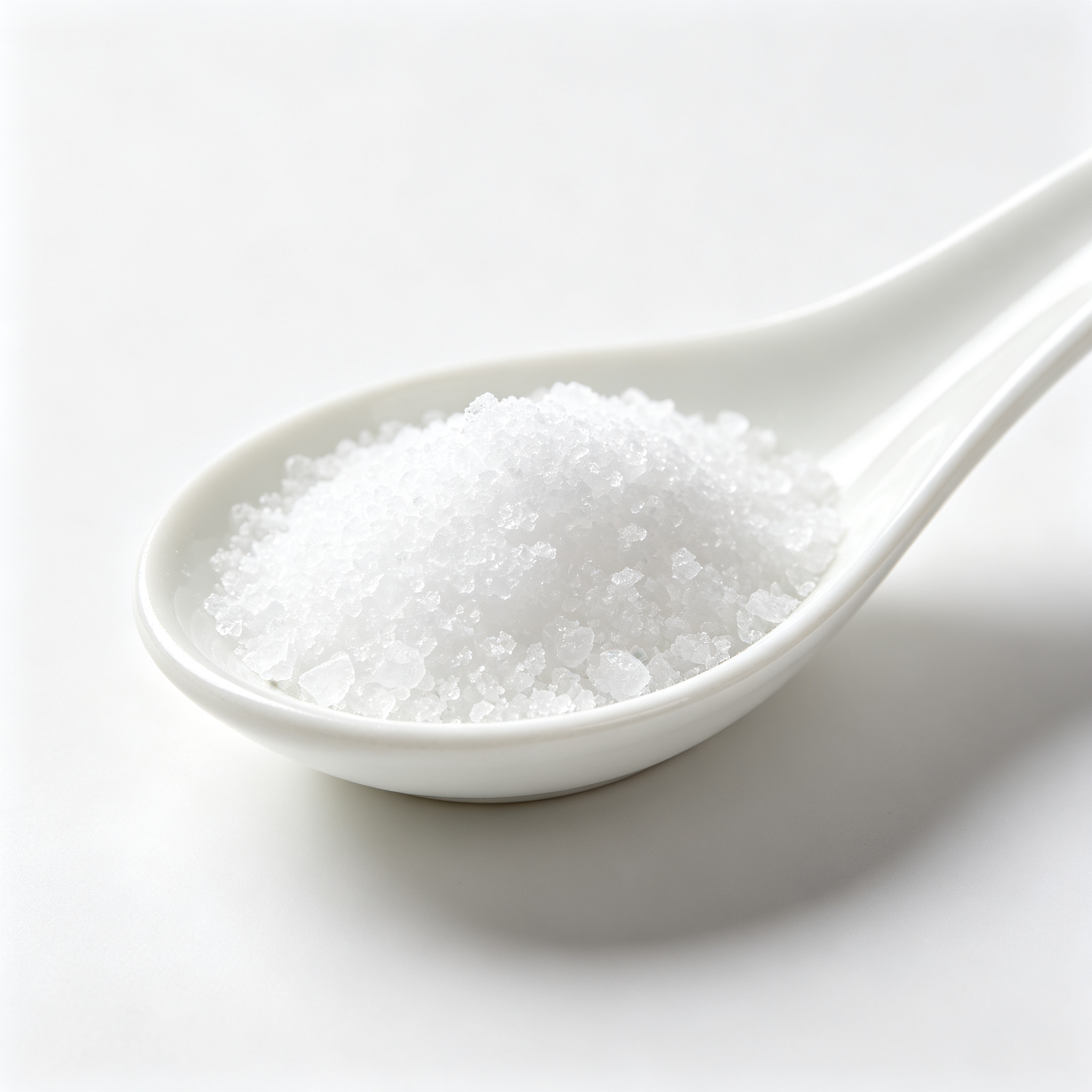
Free validation samples are supplied with a Certificate of Analysis and supporting certificates. Image: Zhonglian Chemical.
Have Questions or Need More Details?
Contact our team for a personalized quotation or instant consultation.
Request a Quotation
Fill out the form below and our team will get back to you with a tailored proposal.
WhatsApp Direct Chat
Prefer to chat in real-time? Message us on WhatsApp for instant assistance & quick answers.
- Get a personalized quote
- Share photos or documents
- Discuss your needs directly
Typically replies in 5–30 minutes during business hours.