
Frying Oil Filter Aid Silica vs Silica for Edible Oil: A Buyer Comparison
Frying Oil Filter Aid Silica and Silica for Edible Oil are both amorphous silicas used in oil processing, but they perform different jobs. Frying Oil Filter Aid Silica is a high-BET silica-gel adsorbent dosed through existing filters to remove polar polymers and free fatty acids from oil in service. Silica for Edible Oil is a high-purity silica-gel adsorbent with a BET surface area of about 700 m²/g and a pH of 1.5–3.0, used at the refinery for degumming, de-soaping and bleaching. Food Grade Adsorbent Silica, with pH 6.0–7.5 and oil absorption of 200–350 ml/100 g, is the related broad food-grade option. The right choice is a process-position decision before it is a price decision.
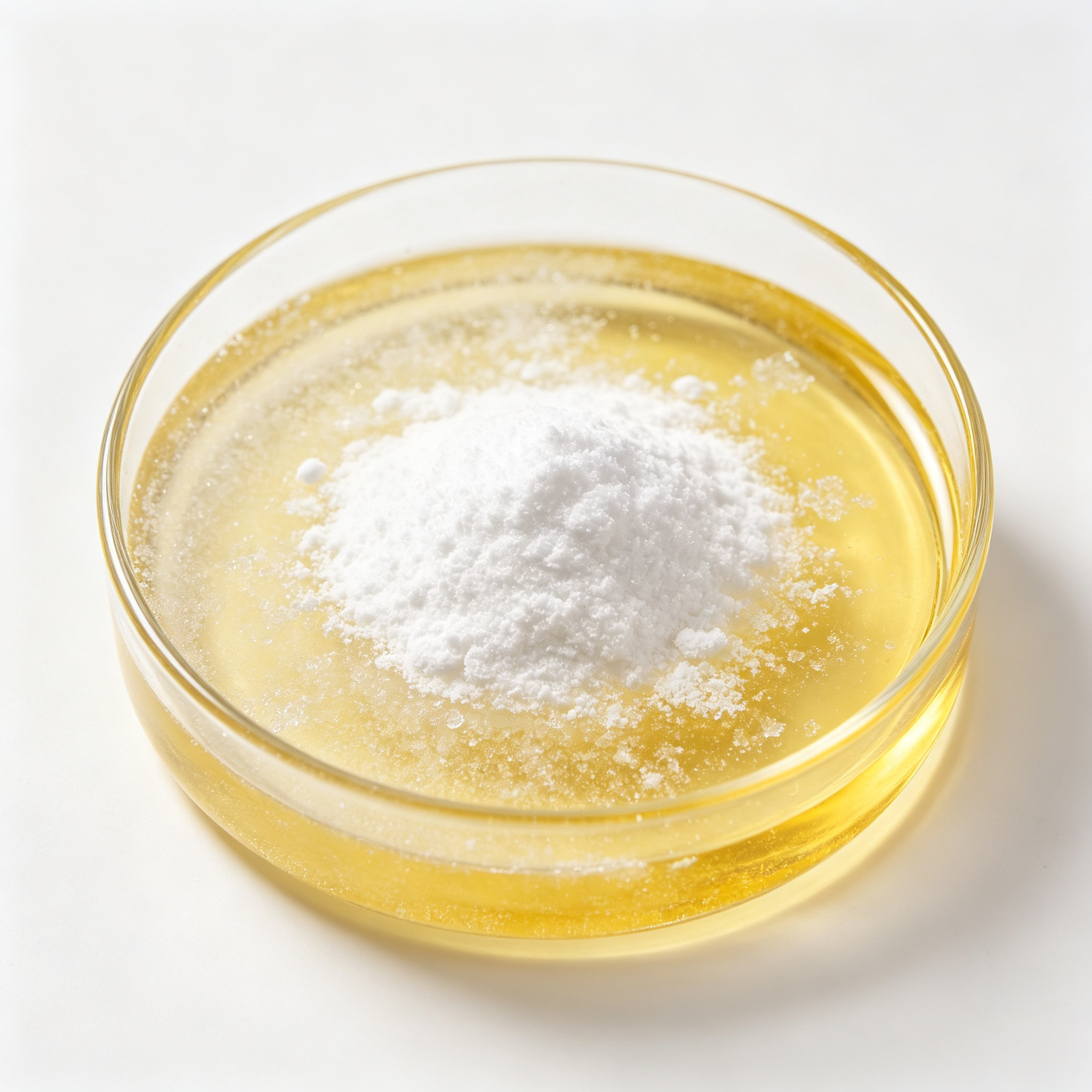
Problem definition: one powder name, three different duties
"Silica powder" is a chemistry, not a specification. CAS 7631-86-9 covers materials that differ in manufacturing route, pore structure, surface area, pH, particle size and impurity profile. Those differences decide whether a powder removes phospholipids at a refinery, captures polar polymers in a fryer, or simply keeps a seasoning blend free-flowing. Treating the three duties as one purchasing line is the most common and most expensive mistake in this category.
Three defaults account for most failed trials:
- Buying on price per tonne. The cheapest E551 powder is usually a general anti-caking grade. It can carry a compliant certificate and still be the wrong functional material for an oil stream.
- Buying the highest BET number. Surface area is necessary but not sufficient. A very high BET paired with an unsuitable particle size can slow filtration, blind the filter or raise oil retention in the cake.
- Reusing an anti-caking grade. A grade selected for powder flow has not been engineered for phospholipid removal, soap capture or trace-metal complexing.
The failure modes show up on the line, not on the COA: hazy filtrate, short filter cycles, higher neutral-oil loss, faster colour reversion, or a grade that cannot produce a food-contact statement for the destination market. A buyer who defines the duty first and the specification second avoids all four.
Industry background: filtration and adsorption are different unit operations
Frying oil and refinery oil are different chemical systems, treated at different points in the process, with different success metrics.
In-service frying oil
Heat, water from food and repeated air contact drive hydrolysis and oxidation. Free fatty acids, polar polymers, colour bodies and off-odour precursors accumulate in the fryer. A filter aid is dosed into the hot oil and removed by the filter already installed on the line. The duty is maintenance: hold the oil inside the operator's quality window for as long as possible, without changing the kitchen or the fryer design.
Refinery oil
Crude and degummed oils carry phospholipids, soaps, trace metals such as iron and copper, and pigments. An adsorbent here is a pre-treatment or polishing step that works alongside bleaching earth. The duty is purification: reduce phosphorus, soap and metal load before or during bleaching, and lower the earth dose required downstream. Success is measured in phosphorus, acid value, transmittance, earth consumption and neutral-oil loss.
The regulatory frame a buyer must clear
Food-contact silica for oil processing sits inside a defined rule set: E551 / INS 551 in the EU and internationally; GB 25576-2020 and GB 2760 in China; FDA 21 CFR 172.480 (GRAS) and FCC in the United States; Commission Regulation (EU) No 231/2012 for purity criteria and Regulation (EC) No 1333/2008 for use provisions. JECFA evaluated the additive with an ADI of "not specified". USP–NF, EP and JP pharmacopoeia specifications are available with lead ≤1–2 ppm and total heavy metals ≤10 ppm. The material is amorphous silicon dioxide, CAS 7631-86-9, not crystalline silica.
The market is crowded and the paperwork is easy to copy. A company-level certificate is not a grade-level specification. Ask for the E551 statement, the COA and the functional parameters for the exact grade on the quotation.
Detailed solution: three grades, three jobs
1. Frying Oil Filter Aid Silica: the in-service filtration grade
Frying Oil Filter Aid Silica is a synthetic amorphous silica-gel adsorbent from the ZOILSIL-GJ/GD series, CAS 7631-86-9. Its published profile is SiO₂ ≥99%, high BET, a D50 defined by grade, high adsorption of polar polymers and free fatty acids, dosing through existing filters, and 20/25 kg bags.
The commercial value is that it needs no new unit operation. It enters the oil already circulating and leaves on the filter already installed. Listed applications include fried foods such as fried chicken and fries, shortening, and catering and industrial frying-oil treatment. The same product family is also listed for the edible oil industry, animal fats, vegetable oils, and beer and beverage adsorption processing.
Two specification gaps matter at quotation stage. First, the grade sheet does not fix a single pH value; pH is grade-dependent and should be read from the batch COA. Second, oil absorption is not published as a single number. Do not assume that a higher oil absorption figure is automatically better: in oil service, an adsorbent that takes up triglycerides as readily as it takes up polar compounds will raise neutral-oil loss.
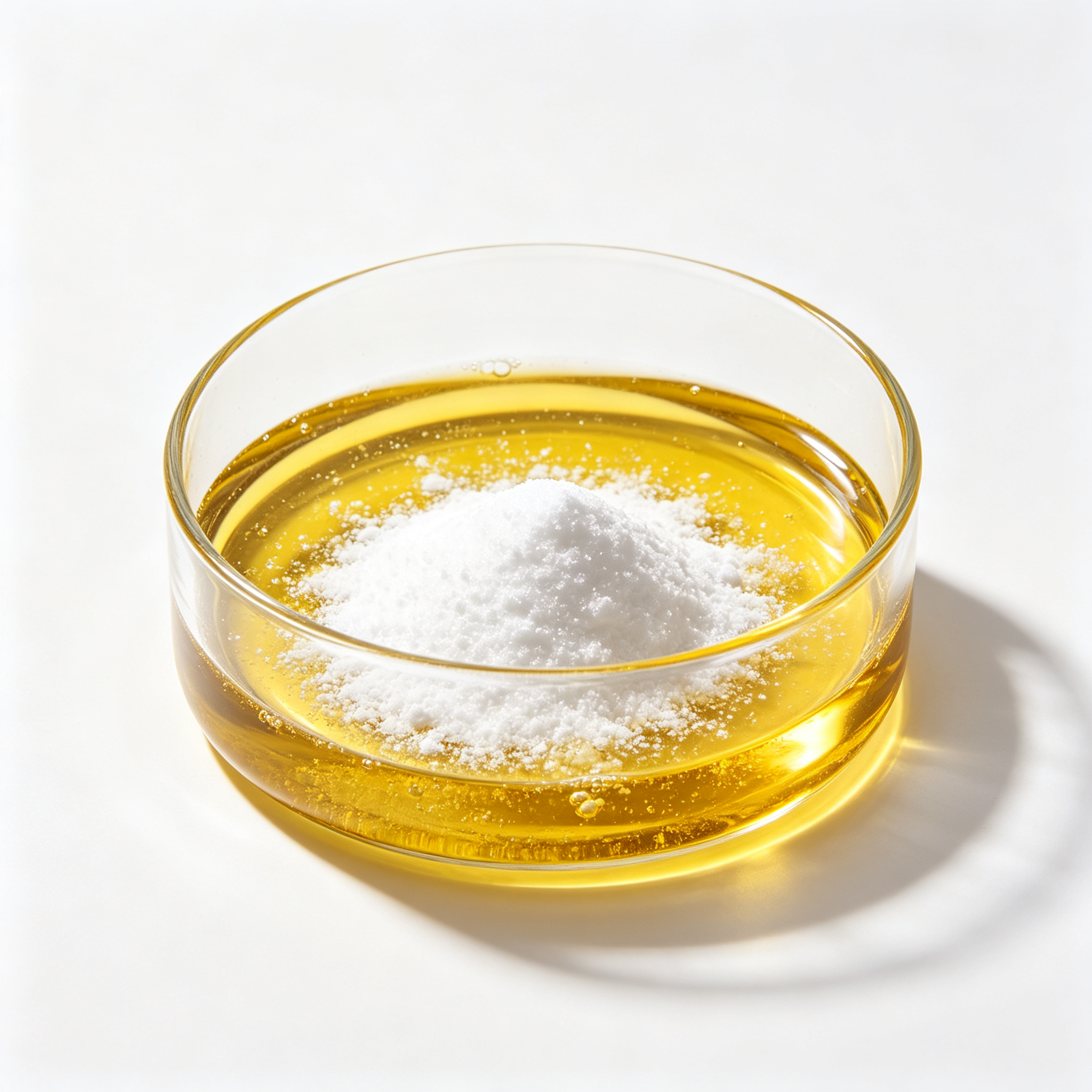
2. Silica for Edible Oil: the refinery adsorbent
Silica for Edible Oil is a high-purity silica-gel adsorbent from the ZOILSIL-GZ series, CAS 7631-86-9. Published parameters are SiO₂ ≥99.7%, BET around 700 m²/g, D50 of 16–26 μm, pH 1.5–3.0, low solids, a contact time of 10–15 minutes, and 20/25 kg bags.
Its functions are specific to refining:
- Adsorbs hydrated and non-hydrated phospholipids, helping to reduce phosphorus in the oil and lower the load on downstream bleaching earth.
- Captures residual soaps and free fatty acids from alkaline or physical refining, helping to reduce acid value.
- Complexes trace metals such as iron and copper, supporting oxidation stability and shelf life.
- Works with bleaching earth and can replace part of the earth dose, reducing earth consumption, oil loss and waste-earth disposal.
- Adsorbs triglycerides only weakly, so neutral-oil loss after filtration is lower than with non-selective media.
The grade is listed for soybean, rapeseed, sunflower, peanut, corn, palm and rice bran oil, for animal and vegetable oil refining, and for biodiesel or renewable-diesel feedstock preparation. It is positioned as food-grade and in line with GB 25576-2020, FDA and EU food additive standards (INS E551); the grade-level statement should still be requested in writing.
The acidic pH of 1.5–3.0 is a real process constraint, not a data point. Confirm compatibility with equipment, upstream chemistry and downstream steps before the first bulk order. The 10–15 minute contact time is a design parameter, not a mixing suggestion.
3. Food Grade Adsorbent Silica: the broad food-grade option
Food Grade Adsorbent Silica is a synthetic amorphous precipitated silica made from waterglass and sulfuric acid, CAS 7631-86-9, E551/INS 551. Published parameters are SiO₂ ≥99%, D50 of 10–25 μm, BET of 190–700 m²/g, pH 6.0–7.5, LOD ≤7%, oil absorption of 200–350 ml/100 g, and 15–20 kg bags.
The grade is deliberately broad. It is listed for edible oil refining pre-treatment (degumming, deacidification and bleaching), frying oil management through filtration of hot oil in service to extend oil life, beverage and alcoholic drink clarification, and anti-caking or flow improvement for milk powder, cocoa powder, spices and seasonings.
Its neutral pH and published oil absorption range make it the practical choice when one food-grade adsorbent must cover oil, beverage and powder duties across a multi-product plant. That breadth is also its limit. If the refinery is chasing phosphorus and trace metals, the higher-purity, ~700 m²/g, acidic grade is the closer match. If the fryer already has a filter loop and the target is polar polymers and free fatty acids, the dedicated filter aid is the closer match.
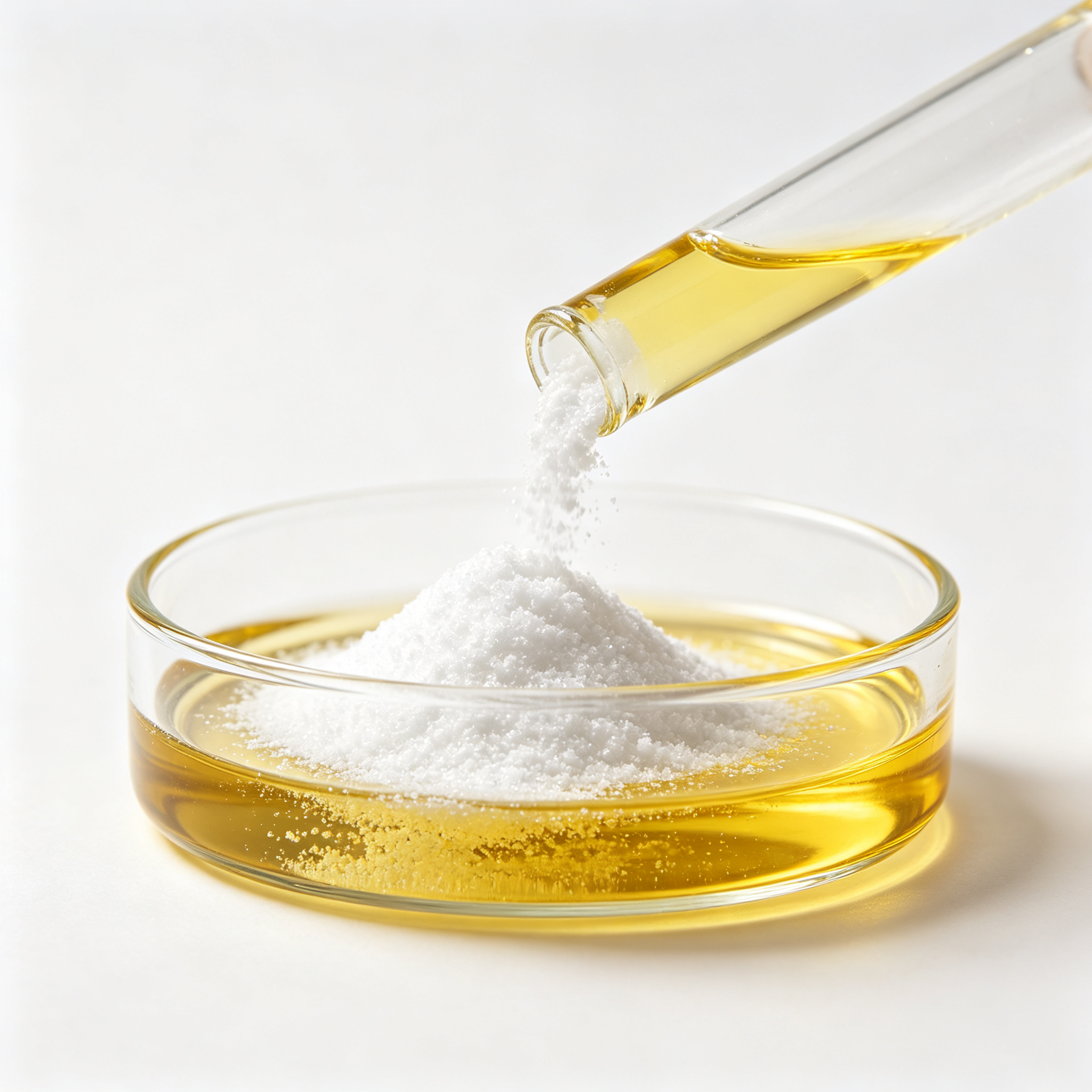
Step-by-step breakdown: how to run the comparison
Step 1 — Write a one-line duty statement
Use a verb that describes the physical job: "remove polar polymers and free fatty acids from in-service frying oil through an existing filter", "reduce phosphorus, soap and trace metals in refined oil before bleaching", or "provide food-grade adsorption across oil, beverage and powder lines". If the statement contains two different verbs, you probably need two grades.
Step 2 — Fix the food-contact specification first
Confirm E551 / INS 551 status, GB 25576-2020 compliance, FDA 21 CFR 172.480 and FCC reference, EU 231/2012 and 1333/2008 where relevant, heavy-metal limits, microbial control and the amorphous nature of the material. Ask for the grade-level COA. Food Grade Adsorbent Silica is explicitly E551/INS 551; for Frying Oil Filter Aid Silica and Silica for Edible Oil, request the statement for the exact grade.
Step 3 — Match pH to the stream
Silica for Edible Oil is published at pH 1.5–3.0. Food Grade Adsorbent Silica is published at pH 6.0–7.5. Frying Oil Filter Aid Silica does not publish a single pH value, so it must be read from the batch COA. A pH mismatch changes downstream chemistry; it is not a cosmetic deviation.
Step 4 — Read BET and D50 together
BET describes available surface. D50 describes how fast the powder wets, disperses and filters. A very high BET with an unsuitable particle size can blind a filter. Silica for Edible Oil pairs ~700 m²/g with 16–26 μm. Food Grade Adsorbent Silica spans 190–700 m²/g with 10–25 μm. Frying Oil Filter Aid Silica specifies high BET with a D50 set by grade.
Step 5 — Treat oil absorption as a two-sided metric
For a powder carrier, high oil absorption is a virtue. For an oil adsorbent, it can be a cost. Food Grade Adsorbent Silica publishes 200–350 ml/100 g, useful for carrier and broad adsorption duties. Silica for Edible Oil is designed to adsorb triglycerides weakly so neutral-oil loss stays low. Selecting on the highest oil absorption number alone can raise oil loss and cost per tonne of finished oil.
Step 6 — Run a pilot trial in your own oil
COA compliance does not guarantee finished-product performance. Two grades with similar specifications can behave differently in the same formulation, because end performance also depends on oil type, temperature, contact time and filtration equipment. Run a pilot with your own oil, your own temperature and your own filter. Measure phosphorus or acid value where relevant, filtrate clarity, filtration time, oil loss and colour after storage.
Step 7 — Lock commercial and documentation terms
Confirm packaging, MOQ, lead time, COA format, MSDS, food-contact statements and batch traceability. The two oil grades ship in 20/25 kg bags; Food Grade Adsorbent Silica ships in 15–20 kg bags. Minimum order quantity is 1 t, and typical lead time is 7–10 days, with the actual figure depending on product, quantity, inventory and destination.
Use cases: where each grade earns its place
Case 1 — Quick-service restaurant or industrial fryer
The operator already has a filter loop and wants longer usable oil life without new equipment. Frying Oil Filter Aid Silica is dosed through the existing filter. The buyer's success metrics are filtrate clarity, filter cycle time, oil loss and the time before the oil leaves the quality window.
Case 2 — Vegetable oil refinery
The refinery needs lower phosphorus, lower soap and better colour before bleaching, and wants to cut earth consumption and waste-earth disposal. Silica for Edible Oil is the refinery-format grade: ~700 m²/g, 16–26 μm, pH 1.5–3.0, 10–15 minutes contact. A company case at Yihai Kerry refining used an adsorbent with a customised pore structure and high specific surface area to remove phospholipids and trace metals, improving transmittance and reducing clay and crude-oil loss.
Case 3 — Multi-product food plant
One plant runs oil, beverage and seasoning lines and wants a single food-grade adsorbent in stores. Food Grade Adsorbent Silica, at pH 6.0–7.5 with 200–350 ml/100 g oil absorption, covers oil pre-treatment, beverage clarification and powder anti-caking. The trade-off is that it will not match a dedicated refinery grade on phosphorus removal.
Case 4 — Animal fat and tallow rendering
Rendering lines deal with gums, free fatty acids and odour precursors. A company case in the Haidilao beef tallow supply chain used an optimised particle size to raise filtration efficiency by 40%, enabling anhydrous degumming with less wastewater. Buyers in this segment should pilot on their own fat, because melting point and solids load change filtration behaviour.
Case 5 — Biodiesel and renewable diesel feedstock
Feedstock preparation has the same impurity problem as edible-oil refining: phospholipids, soaps and metals poison downstream catalysts. Silica for Edible Oil is listed for biodiesel and renewable-diesel feedstock preparation. Specify the grade against the feedstock, not against the edible-oil line.
Comparison table
| Selection point | Frying Oil Filter Aid Silica | Silica for Edible Oil | Food Grade Adsorbent Silica |
|---|---|---|---|
| Primary role | In-service frying-oil filtration and adsorption | Refinery degumming, de-soaping, bleaching support | Broad food-grade adsorption and carrier |
| Process position | Fryer or filter loop | Refinery, before or with bleaching | Oil, beverage and powder lines |
| SiO₂ content | ≥99% | ≥99.7% | ≥99% |
| BET surface area | High, grade-dependent | ~700 m²/g | 190–700 m²/g |
| D50 | Per grade | 16–26 μm | 10–25 μm |
| pH | Confirm on batch COA | 1.5–3.0 | 6.0–7.5 |
| Oil absorption | Not published as a single value | Designed for weak triglyceride adsorption | 200–350 ml/100 g |
| Contact time | Per process design | 10–15 minutes | Per application |
| Dosing route | Through existing filters | Refinery adsorption step | Direct adsorption, filtration or dry blending |
| Packaging | 20/25 kg bags | 20/25 kg bags | 15–20 kg bags |
| Best fit | Fryers, shortening, catering and industrial frying | Vegetable and animal oil refining, biodiesel feedstock | Multi-product plants, beverages, food ingredients |
| Main watch-out | Do not select on oil absorption alone | Acidic pH must be validated | Broad fit is not best fit |
FAQ
Do frying oil filter aid silica and silica for edible oil need an E551 food-contact statement?
Yes, when the oil is a food or food ingredient. Request the E551 / INS 551 statement for the exact grade, plus GB 25576-2020 compliance, FDA 21 CFR 172.480 and FCC reference, and EU 231/2012 and 1333/2008 where relevant. Food Grade Adsorbent Silica is explicitly E551/INS 551; for Frying Oil Filter Aid Silica and Silica for Edible Oil, ask grade by grade, because a company-level certificate does not define the grade being quoted.
Which quality checks best predict performance in an oil stream?
pH, BET, D50, SiO₂ content and, for broad grades, oil absorption. Published pH is 1.5–3.0 for Silica for Edible Oil and 6.0–7.5 for Food Grade Adsorbent Silica; Frying Oil Filter Aid Silica is grade-dependent and must be read from the batch COA. BET is about 700 m²/g for Silica for Edible Oil and 190–700 m²/g for Food Grade Adsorbent Silica, whose oil absorption is 200–350 ml/100 g. Read BET and D50 together.
Is a dedicated filter aid more expensive to run than a general adsorbent?
Judge total cost, not price per bag. Frying Oil Filter Aid Silica is dosed through existing filters and avoids equipment retrofit. Silica for Edible Oil can replace part of the bleaching-earth dose, reducing earth consumption, oil loss and waste-earth disposal. Food Grade Adsorbent Silica covers several duties from one stock item but will not match a dedicated refinery grade on phosphorus removal. Request a quotation against your oil type and current consumption.
Can we validate a grade on a pilot scale before ordering a tonne?
Yes, and a pilot is the right first step. COA compliance does not guarantee finished-product performance, and two grades with similar specifications can behave differently because oil type, temperature, contact time and filtration equipment also matter. Trial with your own oil and filter, measure filtrate clarity, filtration time, oil loss and colour after storage, and keep trial material from the same batch as the intended bulk supply.
What are the MOQ, lead time and packaging for these oil grades?
Minimum order quantity is 1 t. Typical lead time is 7–10 days, depending on product, quantity, inventory and destination. Frying Oil Filter Aid Silica and Silica for Edible Oil ship in 20/25 kg bags; Food Grade Adsorbent Silica ships in 15–20 kg bags. Each batch is supplied with a COA and MSDS, and packaging across the wider range runs from 1 kg retail bags to jumbo bags.
Conclusion: specify the duty, then the grade
Amorphous silica is a family, not a SKU. For oil buyers, the difference between a successful and an expensive programme usually comes down to four decisions made in the right order: define the process position, fix the food-contact specification, match pH and porosity to the stream, and validate in your own oil before scaling.
Frying Oil Filter Aid Silica is the maintenance grade for oil in service, dosed through the filter that is already installed. Silica for Edible Oil is the refinery grade, engineered around ~700 m²/g, 16–26 μm, pH 1.5–3.0 and a 10–15 minute contact time to reduce phosphorus, soap and trace metals while lowering earth consumption and neutral-oil loss. Food Grade Adsorbent Silica is the broad E551 option at pH 6.0–7.5 with 200–350 ml/100 g oil absorption, useful where one stock item must serve oil, beverage and powder lines.
None of the three is a universal replacement for the others. A buyer who asks for the E551 statement, reads pH and BET together, questions oil absorption, and insists on a pilot will avoid the generic-powder trap and get a grade that actually fits the process.
Request a grade recommendation and a free sample
Send your oil type, process position, current adsorbent consumption and target market. Zhonglian Food Silica will recommend the closest grade from the ZOILSIL oil-adsorbent range, supply a sample with COA and food-contact documentation, and support a pilot trial before scale-up.
Zhonglian Food Silica is the food-grade silica brand of Shandong Zhonglian Chemical Co., Ltd., a subsidiary of Zhongqi (Guangdong) Silicon Materials. The company operates GMP-compliant workshops and intelligent production lines with an annual silica capacity of approximately 50,000 metric tons, holds ISO 9001:2015, ISO 22000:2018, FSSC 22000, FAMI-QS, HALAL and OU Kosher certifications, and serves markets across Europe, North America, Japan, South Korea, Southeast Asia and the Middle East.
Website: www.silicaplant.com | Email: levin@silicaplant.com
Download the Food Grade Silica Brochure (PDF) for the full grade range and documentation set.
Have Questions or Need More Details?
Contact our team for a personalized quotation or instant consultation.
Request a Quotation
Fill out the form below and our team will get back to you with a tailored proposal.
WhatsApp Direct Chat
Prefer to chat in real-time? Message us on WhatsApp for instant assistance & quick answers.
- Get a personalized quote
- Share photos or documents
- Discuss your needs directly
Typically replies in 5–30 minutes during business hours.