China E551 Food Grade Silica Powder: Compliance and Specification Guide
When buyers search for China E551 food grade silica powder manufacturers, they are usually not shopping for a chemical commodity — they are trying to de-risk a food-production input. E551 silica powder is regulated as a food additive, not a general chemical, and the compliance file attached to each batch is what separates a usable supplier from a risky one.
This guide breaks E551 food grade silica powder sourced from China into the four things that actually determine whether you can use it: regulatory compliance, physical specification, application fit, and commercial terms. All technical figures below are drawn from published product documentation for Zhonglian Food Silica, produced by Shandong Zhonglian Chemical Co., Ltd. (subsidiary of Zhongqi (Guangdong) Silicon Materials, stock code 880747).
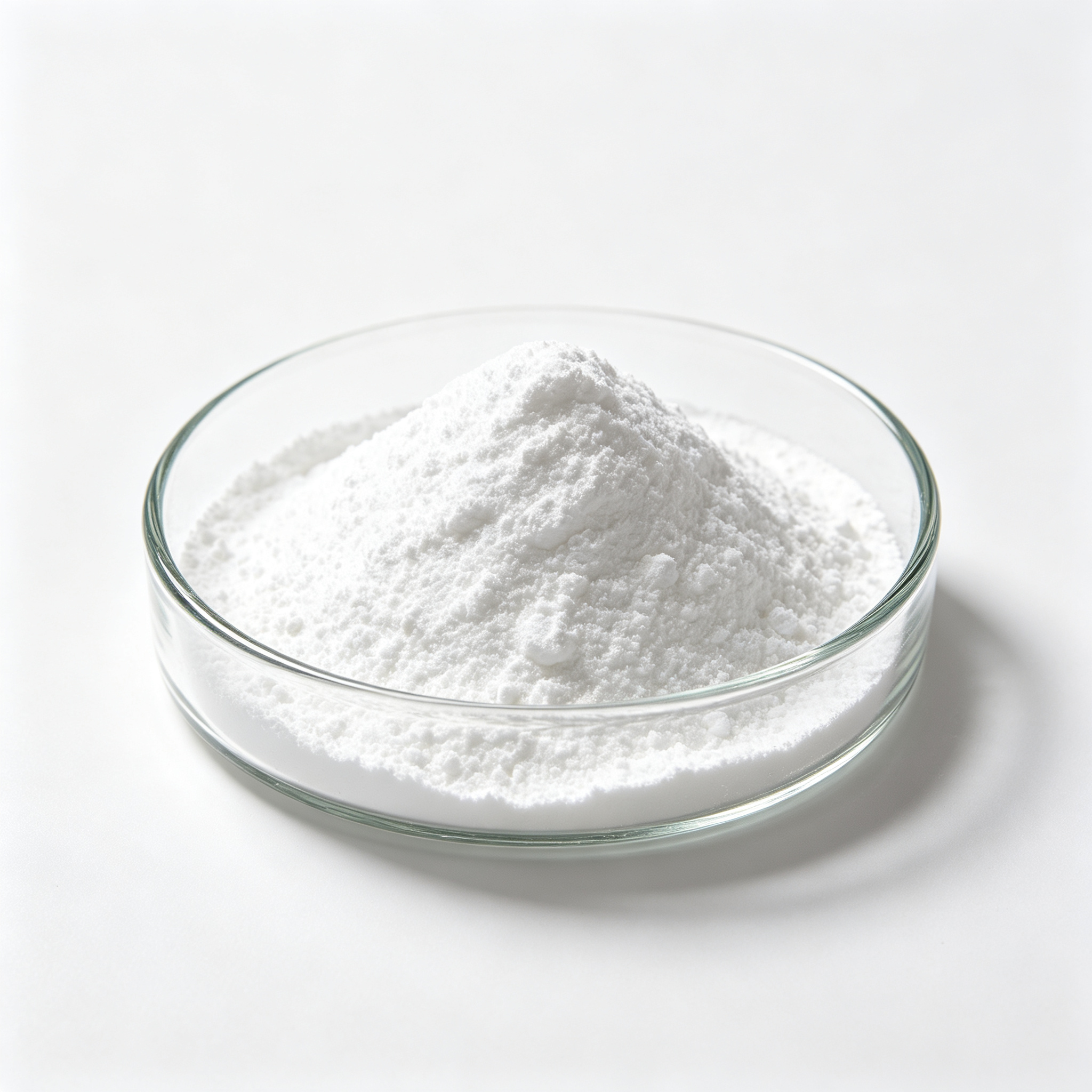
High-purity precipitated E551 silica powder, ZLSIL series (Zhonglian Food Silica).
Problem Definition: What Makes E551 Sourcing Genuinely Hard
Food grade silicon dioxide (E551 in the EU, INS 551 under Codex, CNS 02.004 in China) is an anti-caking, free-flow, and carrier additive used across powdered foods, edible oils, toothpaste, and pharmaceutical excipients. The raw material itself is not scarce. The hard part is that the specification that matters is only partially written on the bag.
Three constraints trip up buyers most often:
- Regulatory layer mismatch. A supplier can be certified to GB 25576-2020 (China) and still not hold the FCC or USP-NF declarations an EU or US buyer needs. Conversely, an EU-facing E551 certificate does not automatically mean the same grade is acceptable for a feed application, which requires FAMI-QS.
- Specification trap. Two samples can both say "E551 silica, SiO₂ ≥ 99%" and still behave differently in the same production line because of D50, BET, oil absorption, pH, or loss on drying differences.
- Non-price cost. Delayed compliance paperwork, an unrepeatable COA structure, or a shipment that fails a receiving test can cost far more than the price delta between two suppliers.
This is why the correct evaluation question is not "Who sells the cheapest E551 silica powder from China?" but "Which China E551 silica powder manufacturer gives me a compliance path and a stable physical spec I can put into my formulation?"
Industry Background: Where E551 Silica Powder Sits
Global demand for food grade silica powder has grown with the expansion of powdered and instant foods, plant-protein products, and clean-label-stable ingredients. The overall food grade silica market was valued at approximately USD 0.87 billion in 2025 according to Fortune Business Insights, while global precipitated silica market volume — the broader category that includes food, rubber, and industrial grades — reached around 3.25 million tons in 2025 (Mordor Intelligence). The size difference between the two figures is a useful reminder: food grade silica is a small, high-compliance slice of a much larger industrial silica business. Suppliers who focus on the food and pharma slice are structurally different from general precipitated silica producers.
On the regulatory side, the most important recent event for E551 buyers was the European Food Safety Authority (EFSA) re-evaluation published on 17 October 2024, which reaffirmed that E551 poses no safety concern for the general population, including infants. China, the US, and the EU all recognize silicon dioxide as a permitted food additive (China: GB 25576-2020; US: FDA 21 CFR 172.480 GRAS and FCC; EU: E551 under Regulation (EU) No 231/2012 purity criteria and Regulation (EC) No 1333/2008 for use provisions). JECFA has evaluated the acceptable daily intake of amorphous silicon dioxide as "not specified."
Classification and identification are straightforward but worth stating: E551 silica powder is amorphous (non-crystalline) silicon dioxide, CAS 7631-86-9. Its HS code is 281122 (UNSD). It is not the same material as crystalline silica (quartz, sand), which has a different toxicological profile.
Detailed Solution: How a Compliant China E551 Supplier Is Built
Zhonglian Food Silica's production base in Guangzhou is designed around E551 compliance rather than around commodity silica output. The following facts describe the compliance and production structure a buyer can actually verify.
Regulatory and Certification Coverage
The product range is documented against the following regulatory frameworks and management systems:
- China: GB 25576-2020 "Food Additive – Silicon Dioxide" and GB 2760 use provisions; Food & Feed Additive Production Licenses.
- United States: FDA 21 CFR 172.480 (GRAS) and FCC (Food Chemicals Codex); FDA Food Facility Registration number 14857861616.
- European Union: E551 food additive number; Commission Regulation (EU) No 231/2012 purity criteria and Regulation (EC) No 1333/2008 use provisions.
- International: JECFA evaluation with ADI "not specified."
- Pharmacopoeia: USP–NF, EP, and JP specifications are available, with Pb ≤ 1–2 ppm and total heavy metals ≤ 10 ppm for pharmacopoeia grades.
- Quality systems: ISO 9001:2015 (EACC, cert. 11425Q410600R1S), ISO 22000:2018 (HSL Certification Service, cert. 116FSMS1300022), FSSC 22000 (CQC, cert. CQC25FS1229R0S/4400), FAMI-QS v6.0 (cert. 11625FAM0017), and SMETA Sedex 4-Pillar social compliance (Intertek, ZAA600166938).
- Religious / markets: SHC HALAL (cert. 1198250000) and OU Kosher (cert. OUV2-JZVTP4).
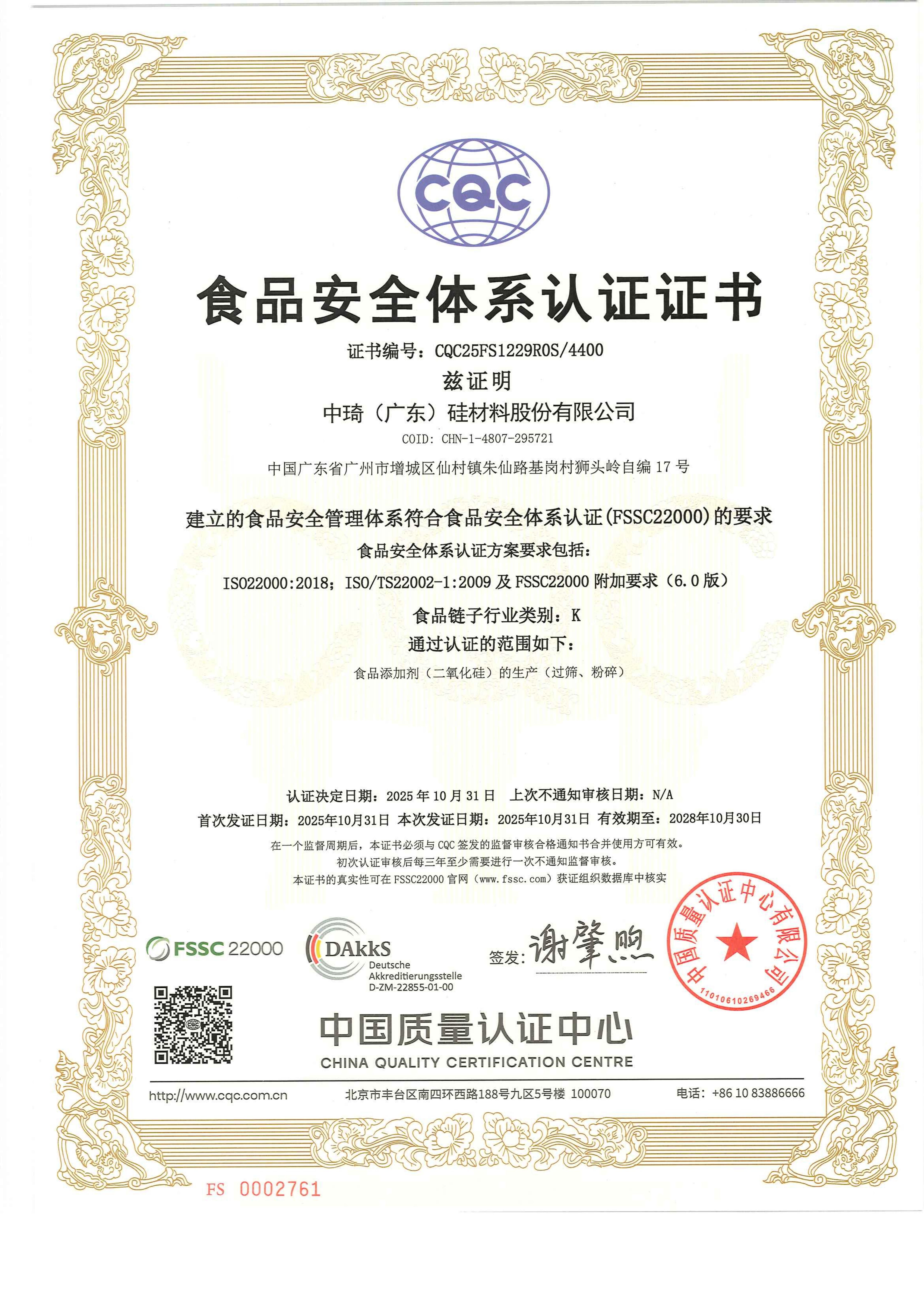
FSSC 22000 certificate (CQC25FS1229R0S/4400) covering food-additive silica production.
This combination matters because a single E551 grade from this range can be sold into an EU food application, a US nutraceutical filing, and a Japanese or Korean market without a compliance re-test — a meaningful supply-chain simplification for multi-market brands.
Purity and Impurity Control
Two specification families split the range into general-purpose and regulated-purity tiers:
- High-purity grades: SiO₂ ≥ 99%; pharmaceutical grade up to SiO₂ ≥ 99.5%.
- Internal heavy-metal limits: Pb ≤ 0.1 mg/kg, As ≤ 1 ppm, and low-iron non-yellowing grade at Fe ≤ 5 ppm (compared with the 30 ppm national limit referenced in the company's own specification sheet).
- Heavy-metal-free grade: SiO₂ ≥ 99.0% with heavy-metal content ≤ 0.01 mg/kg.
- Pharmacopoeia-grade Pb ≤ 1–2 ppm and total heavy metals ≤ 10 ppm.
Microbiological control follows USP <61>/<62> and food-grade requirements: total aerobic count, molds and yeasts controlled to specification, and E. coli and other pathogens must be absent. Each batch receives a Certificate of Analysis (COA).
Production Environment
Production runs in GMP-certified workshops on dedicated food-grade lines, with a stated 26-step full-lifecycle inspection. Testing equipment includes atomic fluorescence spectrometers, laser particle analyzers, and HPLC. Full batch traceability is maintained. Annual capacity for the broader silica production base is documented at approximately 50,000 metric tons, with the Guangzhou base hosting 10,000-ton-level intelligent lines and a multi-thousand-ton intelligent production line.
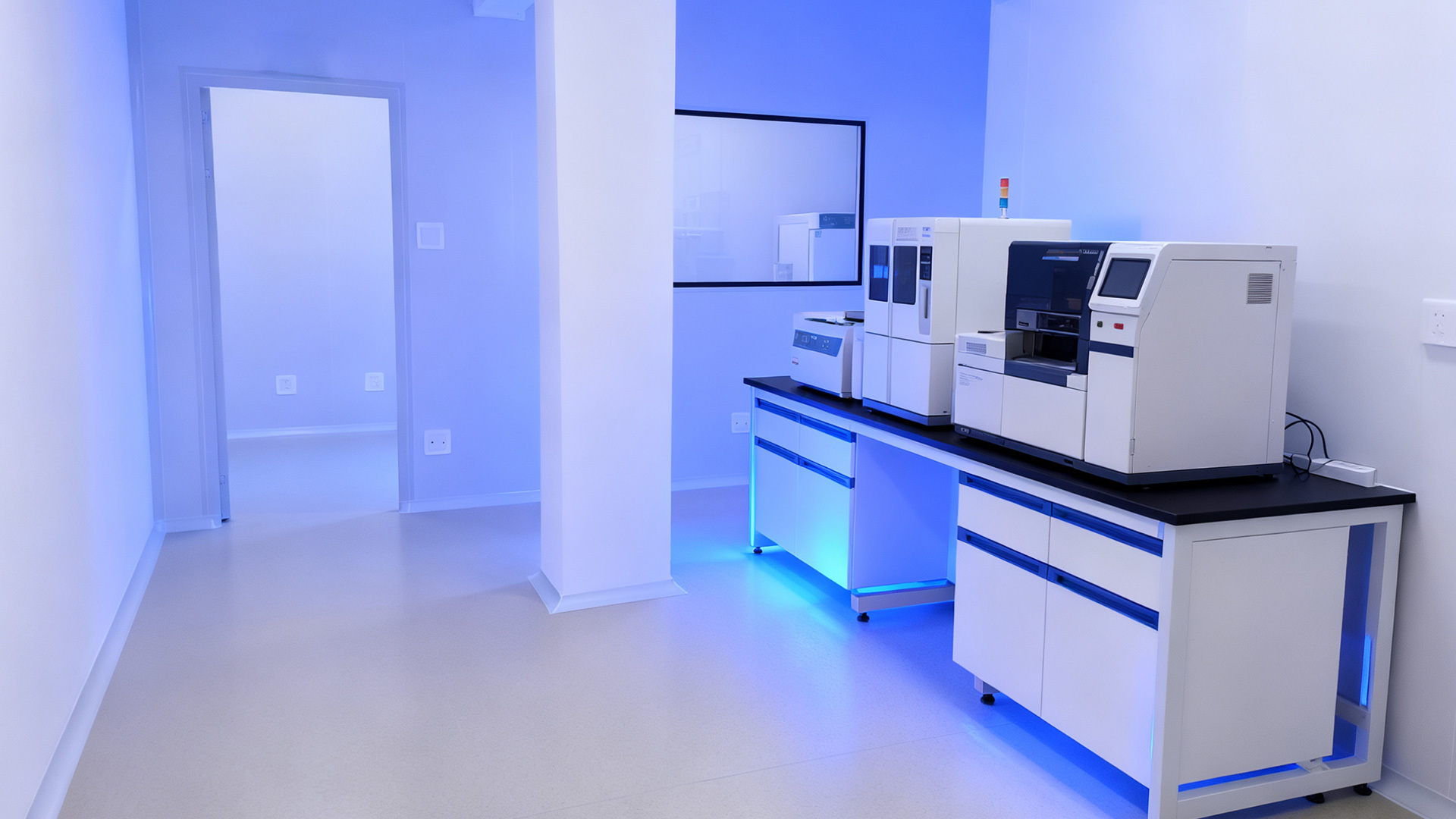
In-house microbiology laboratory supporting USP <61>/<62> testing on E551 silica powder batches.
Cost Positioning
Product documentation states that core performance benchmarks against international first-tier brands at 15%–35% lower cost, and that import substitution of specific grades (Evonik / Grace equivalents) is positioned at roughly 30–50% cost saving. These are company-stated figures, not third-party audited numbers, but they are specific enough to be trial-tested side by side against your existing supplier's grade. For reference, published commercial research on toothpaste grade abrasive silica in 2024 recorded a market price of approximately USD 1,400 per ton at a ~63% margin (LP Information) — useful as a benchmark when interpreting the grade mix in supplier quotations.
Step-by-Step Breakdown: How to Evaluate a China E551 Supplier
Step 1 — Map Your Regulatory Destination Before You Talk Price
Write down the target markets for the finished product (China domestic, EU, US, Japan/Korea, Middle East, Southeast Asia). Each market determines which certificates are mandatory, which are helpful, and which are irrelevant.
- China: GB 25576-2020 + Food Additive Production License.
- EU: E number E551 + EU Regulation (EU) No 231/2012 statement.
- US: FDA 21 CFR 172.480 + FCC declaration; FDA Food Facility Registration for the manufacturer.
- Japan/Korea: JP or equivalent specification; the country-specific market-facing documentation.
- Middle East / Indonesia: SHC HALAL and BPJPH Halal coverage.
Step 2 — Pin Down the Physical Spec, Not Just the Chemical One
Ask for the actual batch values of D50, BET, oil absorption, pH, and loss on drying on the COA — not just the "typical" data sheet numbers. These five parameters drive how the powder behaves in your line.
Step 3 — Confirm the Microbiological Release Specification
Request that every batch COA include the full microbial panel: total aerobic count, yeast, mold, coliforms, E. coli, S. aureus, and Salmonella, with pathogenic bacteria required to be absent. Suppliers in the food and pharma tier will provide this without extra negotiation; others may need several days to compile it.
Step 4 — Run a Pilot, Not Just a Sample Test
COA compliance does not guarantee finished-product performance. Two grades with similar specs can perform very differently in the same formulation. Run an accelerated stability test (typically 40 °C / 75% RH for 2–4 weeks) at the same dosage as your current grade and confirm flowability, anti-caking performance, color, and dissolution before scaling.
Step 5 — Verify Lead Time, MOQ, and Incoterms Against Your Production Plan
The standard commercial terms for this range are: MOQ from 1 ton for standard grades; LCL export type starts at 50 kg MOQ; lead time of 3–10 days for stocked items and 10–20 days for customized orders; EXW, FOB, CIF, and DDP shipping terms supported. Packaging ranges from 1 kg retail bags through 10 / 15 / 20 / 25 kg bags to jumbo bags, with multilingual labels available. These terms are typically more flexible than overseas imports, which can shorten the reorder cycle and reduce the risk of a stockout.
Use Cases: Which E551 Grade Goes Where
Because E551 silica is a functional additive rather than a uniform chemical, application decides grade. The documented ranges map to applications as follows:
Powdered Foods and Seasonings
Anti-caking and free-flow in salt, bouillon, MSG, pepper, chili powder, compound seasonings, soup bases, noodle seasonings, powdered sugar, sweeteners, and instant beverages. High oil absorption grades handle chili and curry powders where surface oils are also a caking driver.
Dairy, Creamer, and Protein Powders
Anti-caking and dispersion in non-dairy creamer, coffee whitener, milk powder, whey powder, soy milk powder, plant protein and meal-replacement powders. The ZLSIL-W50S / W110SD grades with D50 40–60 μm and BET ~230 m²/g are specified for creamer-type systems.
Food Flavors and Colors
Carrier function for liquid flavors, essential oils, vitamins, and botanical extracts. Non-discoloring grades (documented as ZLSIL-58BF with D50 ≈15 μm, BET 200 ± 20 m²/g) are designed to avoid yellowing and browning when mixed with natural flavors, plant-derived extracts, and spice components — important when ethyl maltol or similar compounds are present in the formulation.
Edible Oil Refining
A separate grade family (ZOILSIL-GZ series) with SiO₂ ≥ 99.7%, BET ~700 m²/g, D50 16–26 μm, and pH 1.5–3.0 supports degumming, de-soaping, and decolorization of vegetable oils and animal fats, and feedstock prep for biodiesel or renewable diesel.
Pharmaceutical and Nutraceutical Solid Dosage
Flow aid, anti-caking, adsorbent carrier, and disintegrant in tablets, capsules, effervescent tablets, multivitamins, and TCM powders. Pharmacopoeia grades have Pb ≤ 1–2 ppm and total heavy metals ≤ 10 ppm.
Pet Food and Feed
Feed-grade precipitated silica (ZLSIL-FE and ZLSIL-PF series) with SiO₂ ≥ 98%, D50 10–50 μm, BET 150–550 m²/g, and typical dosage 0.5–2% in finished feed. FAMI-QS v6.0 coverage extends to feed-ingredient applications.
Comparison Table: E551 Silica Grade Parameter Overview
The following table draws only on documented specification fields for Zhonglian Food Silica grades. Values shown are the supplier-stated typical parameters; actual batch values are confirmed on each COA.
| Grade / Model | Primary Use | SiO₂ Content | D50 | BET | pH | LOD |
|---|---|---|---|---|---|---|
| ZLSIL-W58A / W22S / W58E | General food powder anti-caking, free-flow | ≥ 99.5% (high-purity family) | 10–20 μm | 150–300 m²/g | 6.0–7.5 | ≤ 5% |
| ZLSIL-W58A / W22S / W58E (Free Flow Agent) | General-purpose free-flow agent, dose 0.2–1% | ≥ 96% (general-purpose tier) | 14–19 μm | 180–190 m²/g | 6.0–7.5 | ≤ 6.5% |
| ZLSIL-W50S / W110SD / W50B / WT50 | Non-dairy creamer, coffee whitener, milk powder | ≥ 99% | 40–60 μm | 230 ± 20 m²/g | 6.0–7.5 | ≤ 6.5% |
| ZLSIL-A325 / W58E | Salt, sea salt, seasoned salt, curing salt | ≥ 99% | ≈ 44 μm (325 mesh) | ≈ 170 m²/g | 5.5–7.5 | ≤ 7.0% |
| ZLSIL-58BF / W58BF | Food flavors, oily seasonings, non-discoloring carrier | ≥ 99% | ≈ 15 μm | 200 ± 20 m²/g | 6.0–7.5 | ≤ 6.5% |
| ZOILSIL-GZ series | Edible oil refining (degumming, decolorization) | ≥ 99.7% | 16–26 μm | ≈ 700 m²/g | 1.5–3.0 | — |
| ZLXIDE series | Pharmaceutical excipient (flow aid, carrier) | ≥ 99% (up to ≥ 99.5%) | 10–20 μm | 150–300 m²/g | 6.0–7.5 | ≤ 5% |
Regulatory statements attached to this range include GB 25576-2020, FDA 21 CFR 172.480, E551 (EU 231/2012), FCC, JECFA evaluation, and USP–NF / EP / JP specifications. The same regulatory package is preserved across the grade differences above, so a formulation change driven by viscosity, pH, or oil absorption does not force a compliance restart.
Frequently Asked Questions
What certifications should a China E551 food grade silica powder manufacturer hold?
At minimum, a supplier exporting E551 silica powder to regulated markets should hold the certifications matched to the destination markets: GB 25576-2020 and a Food Additive Production License for China; FDA 21 CFR 172.480 conforming documentation and FCC declaration for the US; and an E551 / EU Regulation (EU) No 231/2012 statement for the EU. Management-system coverage should include ISO 9001, ISO 22000, and FSSC 22000; feed applications require additional FAMI-QS coverage, and Middle East or Indonesian markets typically expect SHC HALAL and BPJPH. Religious-compliant buyers should also confirm OU Kosher. Zhonglian Food Silica documents all of these for its range: ISO 9001:2015 (11425Q410600R1S), ISO 22000:2018 (116FSMS1300022), FSSC 22000 (CQC25FS1229R0S/4400), FAMI-QS v6.0 (11625FAM0017), SHC HALAL (1198250000), and OU Kosher (OUV2-JZVTP4).
How do I verify E551 compliance on a China silica powder supplier's COA?
Ask for a batch-level Certificate of Analysis that carries: SiO₂ content, loss on drying, loss on ignition, pH, heavy-metal limits for Pb / As / Cd / Hg, and a full microbial panel including total aerobic count, molds and yeasts, with E. coli required to be absent. For the ZLSIL family, the internal specification limits Pb ≤ 0.1 mg/kg and As ≤ 1 ppm; low-iron non-yellowing grades are specified at Fe ≤ 5 ppm against a national limit of 30 ppm. Confirm the COA is issued per batch and not per year, and that the tests are performed under an ISO 9001 / ISO 22000 / FSSC 22000 certified system.
Can China E551 silica powder replace Evonik, Grace, Solvay, or PQ grades directly?
In many cases yes — performance benchmarking between the ZLSIL / ZLCSIL range and imported equivalents is documented at 15%–35% lower cost for comparable core performance, and at roughly 30–50% cost saving for specific import-substitution grades. However, direct 1:1 swap should always be validated with a pilot batch. Two grades with matching specifications can still behave differently in the same formulation because of BET, oil absorption, pH, or particle-size distribution differences. The practical path is: request a free sample, run a side-by-side trial at your current dosage, run accelerated stability testing (typically 40 °C / 75% RH for 2–4 weeks), and scale only after confirming performance.
What are the typical MOQ, lead time, and ordering terms for E551 silica powder from China?
For the Zhonglian Food Silica range, the standard MOQ starts at 1 ton; the LCL export type begins at 50 kg MOQ, which allows smaller brand owners to trial the grade before committing to a full container. Stocked standard grades ship in 3–10 days; custom orders ship in 10–20 days. EXW, FOB, CIF, and DDP terms are supported, and packaging can range from 1 kg retail bags through 10 / 15 / 20 / 25 kg bags up to jumbo bags, with multilingual labels available. These terms are typically shorter and more flexible than sea-freight imports from Europe or North America.
Which E551 grade should I choose for a specific application — for example, powdered beverages or edible oil?
The grade choice is driven by the physical failure mode you are trying to solve. For general powdered beverages and seasonings, a mid-fine anti-caking grade such as ZLSIL-W22S or W58A (D50 around 12 μm, pH 6.0–7.5) works for most flow problems. For high-fat powders like non-dairy creamer, a coarser high-oil-absorption grade (ZLSIL-W50S, D50 40–60 μm, BET ~230 m²/g) performs better. For flavors containing sensitive compounds such as ethyl maltol, a low-iron non-discoloring grade (ZLSIL-58BF, D50 ≈15 μm, Fe controlled) is appropriate. For edible oil refining, the completely different ZOILSIL-GZ adsorbent family (SiO₂ ≥ 99.7%, BET ~700 m²/g, pH 1.5–3.0) is the correct choice — not a general anti-caking grade. Sharing your specific powder category, moisture content, and target market with the technical team is the fastest path to a specific recommendation and a free sample.
Conclusion: What a Compliant China E551 Supplier Actually Looks Like
The search for "China E551 food grade silica powder manufacturers" usually leads to a list of suppliers who all claim E551 compliance. The list that survives a real buyer's vetting is much shorter, because E551 compliance is not a single certificate — it is the combination of destination-matched regulatory documents, a repeatable COA structure, physical-spec stability across batches, and commercial terms that fit your production cycle.
Zhonglian Food Silica documents this stack across its ZLSIL / ZLCSIL / ZOILSIL / ZLXIDE families: China, US, EU, Japan/Korea, and HALAL/Kosher regulatory coverage; high-purity grades with SiO₂ up to ≥ 99.5% and internal heavy-metal limits tighter than the national standard; a documented 26-step quality workflow in GMP-certified workshops; and MOQ starting at 1 ton with stocked grades shipping in 3–10 days. For buyers running a compliance-driven evaluation, these are the fields to test — not the headline price on the quotation sheet.
Next step: Request a compliant sample and access the full product documentation — specifications, COA structure, certifications, and applications — from Zhonglian Food Silica.
- Download the Food Grade Silica Product Brochure (PDF)
- Website: www.silicaplant.com
- Email: levin@silicaplant.com
- WhatsApp: +86 186 6079 3777
Have Questions or Need More Details?
Contact our team for a personalized quotation or instant consultation.
Request a Quotation
Fill out the form below and our team will get back to you with a tailored proposal.
WhatsApp Direct Chat
Prefer to chat in real-time? Message us on WhatsApp for instant assistance & quick answers.
- Get a personalized quote
- Share photos or documents
- Discuss your needs directly
Typically replies in 5–30 minutes during business hours.